
E-commerce
Where to Buy IT Hardware Online: A Complete Guide for US Businesses
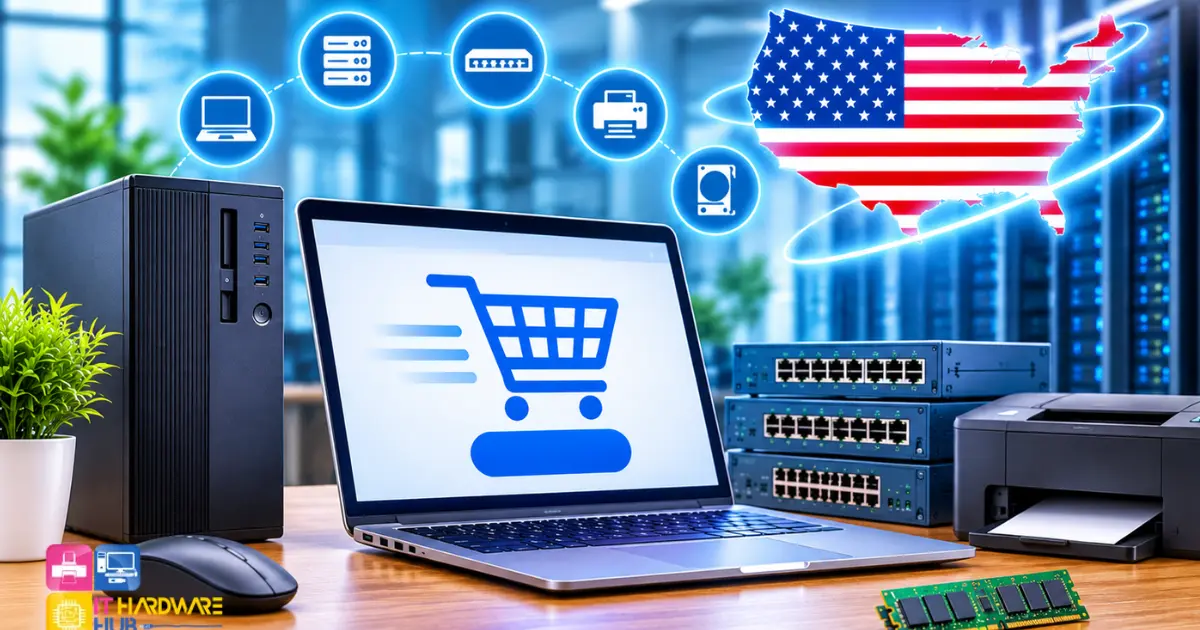
Buying IT equipment online has become a convenient option for businesses across the United States. From small startups purchasing their first office computers to established companies upgrading servers and networking infrastructure, online purchasing provides access to a wide range of technology products without requiring visits to physical stores.
However, finding the right products and a dependable supplier requires careful research. Product specifications, compatibility, pricing, warranty coverage, and delivery policies can all influence a purchasing decision. Understanding what to look for when buying IT hardware onlinehelps businesses reduce procurement risks, control costs, and build reliable technology infrastructure.
Why Are Businesses Buying IT Hardware Online?
Online IT hardware purchasing gives businesses access to different product categories, manufacturers, and configurations in one place. Instead of contacting multiple local retailers, procurement teams can compare products and review specifications before making a decision.
Some important advantages include:
Wider product selection: Explore computers, laptops, servers, storage devices, networking equipment, and accessories.
Convenient price comparison: Evaluate different models, configurations, and product specifications.
Simplified procurement: Research and source multiple hardware categories through online platforms.
Better purchasing flexibility: Find equipment that matches specific business requirements and budget limitations.
Access to product information: Review technical specifications, compatibility details, and available purchasing options.
For businesses with limited procurement resources, these advantages can make technology sourcing more manageable.
1. Identify Your Business's Hardware Requirements
Before purchasing IT hardware online, determine what your organization actually needs. Buying equipment without understanding its intended purpose can result in unnecessary expenses or insufficient performance.
Start by evaluating your existing IT infrastructure, employee requirements, software workloads, and future expansion plans.
Computers and Laptops
Office employees generally need dependable computers that can handle everyday applications, communication tools, and multitasking. Businesses working with graphic design, engineering software, or data-intensive applications may require higher-performance workstations.
Consider processor specifications, RAM capacity, SSD storage, display requirements, and operating system compatibility.
Servers and Networking Equipment
Companies managing databases, applications, file storage, or internal business systems may require dedicated server hardware. Networking equipment such as routers, switches, and wireless access points is equally important for maintaining reliable connectivity.
Choose equipment according to network capacity, security requirements, expected traffic, and infrastructure size.
Storage Devices and Computer Components
SSDs and HDDs support different storage requirements, while components such as RAM, processors, and motherboards determine system performance and upgrade possibilities.
Check compatibility carefully before purchasing individual components.
2. Choose a Reliable Online IT Hardware Supplier
The supplier you choose can significantly influence your purchasing experience. A professional online supplier should provide accurate product information, transparent policies, and access to relevant hardware categories.
When comparing suppliers, evaluate the following factors:
Product selection: Look for a diverse catalog covering essential business IT equipment.
Product descriptions: Ensure listings include accurate model numbers and technical specifications.
Pricing transparency: Check whether additional shipping or handling charges apply.
Warranty information: Understand manufacturer warranties and return conditions.
Customer service: Look for accessible contact information and responsive assistance.
Business credibility: Review company information, customer feedback, and purchasing policies.
Avoid making decisions based exclusively on unusually low prices. A transparent supplier with accurate listings and clear policies is generally a better starting point for business procurement.
3. Compare Product Specifications Before Ordering
One of the most important steps when purchasing IT hardware online is comparing technical specifications.
Two products may appear similar but offer different performance capabilities, connectivity options, and expansion features.
For example, when purchasing business laptops, compare processor generations, memory configurations, storage capacity, battery specifications, and available ports. For servers, consider processor cores, RAM expandability, storage interfaces, redundancy features, and workload requirements.
For networking equipment, examine supported speeds, port availability, wireless standards, and compatibility with existing infrastructure.
Reviewing these details helps prevent purchasing equipment that cannot properly support your business applications.
4. Understand Pricing, Shipping, and Warranty Policies
Online purchasing makes comparing prices easier, but the displayed product price should not be your only consideration.
Businesses should calculate the total purchasing cost, including shipping, applicable taxes, installation requirements, maintenance, and potential upgrades.
Before completing an order, review:
Shipping and delivery: Check estimated delivery times, shipping charges, tracking availability, and delivery restrictions.
Warranty coverage: Understand the warranty period, covered components, and procedures for requesting repairs or replacements.
Return policies: Review return eligibility, restocking fees, and deadlines for reporting damaged or incorrect products.
Product condition: Confirm whether the equipment is new, refurbished, or used, and whether that condition meets your organization's requirements.
These checks are especially important when purchasing expensive servers, bulk computer systems, or specialized enterprise equipment.
5. Prioritize Security and Compatibility
Business hardware must integrate properly with existing technology while supporting organizational security requirements.
Before ordering, verify that the equipment is compatible with your operating systems, software applications, network infrastructure, and existing peripherals.
Security should also influence purchasing decisions. Consider hardware that supports trusted platform modules (TPMs), firmware security features, secure boot, and manufacturer-supported firmware updates where applicable.
For organizations handling confidential customer information or financial records, choosing appropriate business-grade equipment is an important part of maintaining a secure IT environment.
6. Plan for Future Business Growth
Purchasing hardware should be a long-term investment rather than a short-term solution. As businesses expand, their computing, storage, and networking requirements often increase.
Look for equipment that offers upgrade flexibility, including additional memory slots, expandable storage, improved connectivity, and sufficient processing capacity.
For example, a growing company may initially require several desktop computers and a basic network switch. As its workforce increases, it might need additional workstations, higher-capacity storage, and upgraded networking infrastructure.
Planning for scalability can reduce the need for frequent equipment replacements and help businesses manage technology budgets more effectively.
Where Should US Businesses Start Their Online IT Hardware Search?
Businesses should begin by identifying their required hardware categories and comparing suppliers that provide relevant products, clear specifications, and transparent purchasing policies.
For organizations researching computers, servers, networking equipment, storage devices, printers, and accessories, IT Hardware Hub offers a centralized platform to explore different IT hardware categories and sourcing options. This can help business buyers research available equipment and identify products that align with their operational requirements.
Rather than purchasing the first available option, compare specifications and evaluate the supplier's policies before making a final decision.
Conclusion
Buying IT hardware online gives US businesses a convenient way to research technology products, compare specifications, and manage procurement requirements. However, successful purchasing depends on choosing reliable suppliers, verifying product compatibility, understanding warranty conditions, and considering long-term infrastructure needs.
Whether your organization needs office computers, enterprise servers, networking equipment, or individual computer components, a structured purchasing approach can help prevent costly mistakes.
By focusing on product quality, transparent supplier policies, technical requirements, and future scalability, businesses can make more informed IT hardware purchasing decisions and build an infrastructure that supports sustainable growth.



0 Comments
No comments yet. Be the first to respond.
Log in to comment