
Business Services
How Fabric Pop Up Display Stands Improve Exhibition Presentations
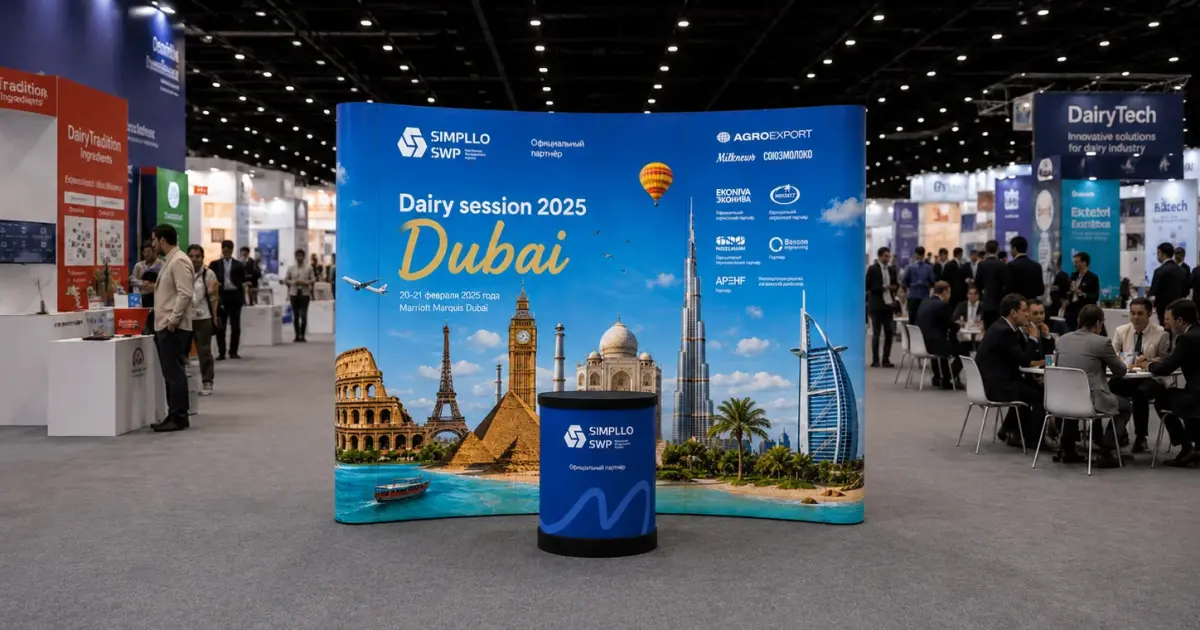
Exhibitions, trade shows, and business events provide an opportunity for companies to present their products and services to a large audience. However, attracting visitors in a busy exhibition hall can be challenging. A well-planned display helps businesses communicate their message, introduce their products, and create a clear identity within a limited space. Among the different display options available, fabric pop up display stands have become a practical choice because they combine lightweight construction, attractive graphics, and convenient assembly.
These displays are designed to create a professional background without requiring complicated installation. Their fabric graphics can carry photographs, logos, product information, and other visual details. Since exhibition spaces often have limited room, businesses need display equipment that is easy to transport, set up, and store. A fabric-based system can meet these requirements while providing enough space for clear visual communication.
1. Understanding Fabric Pop Up Display Stands
Fabric pop-up displays are portable exhibition structures that use a folding frame and a printed fabric graphic. The frame expands into position, allowing the fabric to cover its surface and create a large display area. Most systems are designed so that one or two people can assemble them without specialist tools.
The frame is commonly made from lightweight aluminium or another durable material. Once opened, it provides support for the printed fabric, keeping the graphic stretched across the structure. Some designs use magnetic connections, while others rely on flexible joints and fitted fabric covers.
Unlike traditional printed boards, fabric graphics can often be folded or packed into a carrying case. This makes transportation easier, particularly for businesses that attend several events throughout the year.
The overall appearance depends on the frame design, fabric quality, printing method, and graphic layout. Curved and straight options are available, allowing exhibitors to choose a shape that suits their available space.
2. Main Features of Fabric Exhibition Displays
Several features make these display systems suitable for different types of events. Understanding their construction helps businesses choose a design that meets their practical needs.
Lightweight Frame Construction
Portability is one of the most useful features of fabric displays. Aluminium frames are generally light enough to carry between exhibition venues without requiring heavy transport equipment.
The folding structure also reduces the amount of space needed for storage. When the event is finished, the frame can be collapsed and placed inside its carrying case.
High-Quality Fabric Graphics
The printed fabric creates the main visual surface of the display. Depending on the material and printing process, graphics can show detailed photographs, coloured backgrounds, illustrations, and written information.
Stretch fabric is commonly used because it can fit closely around the frame. A properly fitted graphic helps reduce wrinkles and creates a smooth appearance.
Simple Assembly Process
Most modern systems are designed for quick installation. The frame opens into position, and the fabric graphic is attached according to the manufacturer's instructions.
For example, a small business attending a two-day trade exhibition may need to install its display shortly before the event opens. A folding system can make this process easier than assembling several separate panels.
Reusable Display Structure
Another useful feature is the ability to reuse the frame. When a company changes its campaign or product information, it may only need to replace the fabric graphic rather than purchase an entirely new structure.
This can reduce material waste and make the display more practical for businesses that regularly update their exhibition presentations.
3. Different Types of Fabric Pop-Up Displays
Exhibition spaces vary in size and layout, so one display design may not suit every situation. Several styles are available, each offering different visual and practical advantages.
Straight Fabric Displays
Straight displays have a flat front surface and are suitable for booths where a simple background is required. Their shape makes them easy to position against a wall or behind a reception counter.
For instance, a company displaying electronic products can use a straight background to show its brand information, product photographs, and key features without making the exhibition area feel crowded.
Curved Fabric Displays
Curved designs have a rounded structure that creates a different appearance from a flat background. The curved surface can help define a booth and make the presentation more noticeable from different viewing angles.
These displays are often used at product launches, corporate events, and trade exhibitions where businesses want a more distinctive backdrop.
Modular Fabric Displays
Modular systems consist of separate sections that can be arranged in different combinations. Depending on the design, businesses can expand or reduce the display according to the available floor space.
This flexibility is useful for companies that participate in events with different booth dimensions.
Double-Sided Fabric Displays
Double-sided options allow graphics to be displayed on both sides of a structure. They can be useful when a booth is accessible from more than one direction.
For example, an exhibitor positioned near a main exhibition walkway may use two-sided graphics to communicate information to visitors approaching from either side.
4. Where Fabric Pop-Up Displays Can Be Used
The flexibility of fabric display systems makes them suitable for more than traditional trade exhibitions. Their portable construction allows businesses and organisations to use them in different indoor environments.
Trade Shows and Exhibitions
Trade shows are among the most common places to use these displays. Businesses can create a branded background that introduces their products and gives visitors a clear idea of what they offer.
A technology company, for example, may use a large graphic showing its latest devices, while a furniture business could display room photographs and product designs.
Corporate Events
Company meetings, conferences, and business presentations often require a suitable background for speakers and photographs. Fabric displays can provide a consistent visual setting without taking up too much space.
Retail Promotions
Retail stores sometimes organise seasonal campaigns, new product launches, and promotional activities. A portable display can help identify a particular area and provide information about the featured products.
Educational Events
Schools, colleges, and training organisations can use fabric backgrounds at open days, career fairs, and educational exhibitions. Graphics may include course information, photographs, diagrams, and details about available programmes.
Conferences and Seminars
At conferences, displays can be positioned behind registration desks, presentation areas, or information counters. Their appearance helps visitors recognise different sections of the venue.
5. Benefits of Using Fabric Pop-Up Display Systems
The popularity of fabric-based exhibition equipment comes from several practical advantages. However, the benefits depend on the quality of the materials and how the display is used.
Easy Transportation
Traditional exhibition boards can be difficult to move because of their size and rigid construction. Fabric displays are generally easier to transport because their frames fold down and their graphics can be packed into suitable cases.
This is especially helpful for businesses travelling between cities or attending multiple exhibitions.
Professional Visual Appearance
Large printed graphics provide enough room for photographs, product details, and other important information. When the design is properly prepared, the finished display can create a clean and organised presentation.
Space Efficiency
Exhibition booths often have limited floor space. A fabric display can provide a large background without requiring several separate advertising panels.
For smaller businesses, this can make it easier to organise a booth while leaving enough room for visitors and product demonstrations.
Flexible Graphic Replacement
A reusable frame allows businesses to update their message without replacing the complete structure. For example, a company introducing a new product range can order a replacement graphic while continuing to use its existing frame, provided the new fabric is compatible.
Suitable for Repeated Events
Businesses that attend regular exhibitions can benefit from equipment that is easy to store and assemble. A properly maintained display can be used at different events over an extended period.
6. How to Choose the Right Fabric Display
Selecting a suitable display involves more than choosing an attractive design. Businesses should consider their exhibition requirements, available space, transportation needs, and graphic content.
Measure the Available Space
Before choosing a display, check the dimensions of the exhibition booth. The structure should fit comfortably without blocking walkways or making the area difficult to access.
For example, a company with a small booth may prefer a compact straight display, while a larger exhibition space may provide enough room for a curved or modular system.
Check Fabric Quality
Fabric quality affects the appearance and durability of the printed graphic. Materials should be suitable for the intended printing process and should fit the frame properly.
It is also useful to check whether the fabric can be washed or cleaned according to the manufacturer's care instructions.
Consider Frame Strength
Although lightweight construction is important, the frame must also provide sufficient support. Check the quality of joints, connectors, and folding sections before making a decision.
A stable structure is particularly important when the display will be assembled and dismantled regularly.
Review the Carrying Case
A suitable carrying case protects the equipment during transportation and storage. Padded cases can help reduce the risk of scratches, dirt, and accidental damage.
Businesses that travel frequently should also consider the packed dimensions and overall weight.
Compare Display Styles
The right style depends on the purpose of the presentation. Straight designs are useful for simple backgrounds, while curved options can create a more distinctive shape. Modular structures provide additional flexibility for changing booth layouts.
7. Designing Effective Fabric Exhibition Graphics
The graphic design plays a major role in how visitors understand a display. Even a well-built structure may not communicate effectively if its content is difficult to read or poorly arranged.
Keep the Main Message Clear
Visitors usually have limited time to look at individual exhibition booths. Therefore, the most important information should be easy to recognise.
A short headline can explain the main purpose of the display. Supporting text should provide additional information without making the design crowded.
Use Readable Text
Large headings and simple fonts are generally easier to read from a distance. Small paragraphs should be avoided because visitors may not have enough time to read lengthy information while walking through an exhibition hall.
Choose Suitable Images
Photographs should be clear and relevant to the subject. Low-resolution images can appear blurred when printed across a large surface.
For example, a company displaying kitchen equipment could use a high-quality photograph of its products in a realistic setting rather than filling the background with unrelated images.
Maintain a Balanced Layout
A good design gives each element enough space. Logos, headings, images, and supporting details should be arranged in a way that makes the information easy to follow.
Designers should also consider the shape of the frame. On curved displays, important text and logos should be positioned where they remain visible and are not distorted around the edges.
8. Maintenance, Storage, and Common Mistakes
Proper care can help maintain the appearance and usability of exhibition equipment. Although fabric displays are designed for repeated use, careless handling can shorten their working life.
Clean the Fabric Carefully
Dust and minor marks can affect the appearance of a display. Cleaning should follow the fabric manufacturer's instructions. Some materials can be machine-washed, while others require gentle hand cleaning.
Harsh chemicals and excessive heat should be avoided unless specifically permitted.
Store the Frame Properly
After an event, the frame should be folded carefully rather than forced into position. Connectors and joints should be checked for damage before the equipment is packed away.
Keeping the frame in its designated case can protect it from unnecessary wear.
Avoid Incorrect Assembly
Trying to open a folding frame too quickly or attaching the graphic incorrectly may cause damage. Following the supplied assembly instructions helps prevent unnecessary pressure on the structure.
Do Not Overload the Graphic
Adding too much text, too many images, or several competing colours can make the display difficult to understand. A focused layout usually communicates more effectively than a crowded design.
Check Everything Before an Event
A simple inspection before travelling can prevent problems at the venue. Businesses should check the frame, fabric, connectors, carrying case, and printed information.
For organisations arranging exhibitions in the UAE, suppliers such as Pop Up Stands Dubai are among the sources businesses may consult when researching different display formats and materials.
Conclusion: Making the Most of Fabric Exhibition Displays
Fabric exhibition displays offer a practical way to present information at trade shows, conferences, retail events, and corporate gatherings. Their lightweight frames, reusable construction, and replaceable graphics make them suitable for businesses that regularly participate in public events.
Choosing the right system requires attention to several details, including booth dimensions, fabric quality, frame construction, graphic design, and storage requirements. A carefully planned display can help visitors understand a company's message without overwhelming them with unnecessary information.
With proper handling and maintenance, fabric-based pop-up systems can remain useful across multiple events. Their value comes not only from their appearance but also from their convenience, flexibility, and ability to support clear communication in different exhibition environments.

0 Comments
No comments yet. Be the first to respond.
Log in to comment