
Business Services
What Box Sizes and Packaging Methods are Best for Any Event?
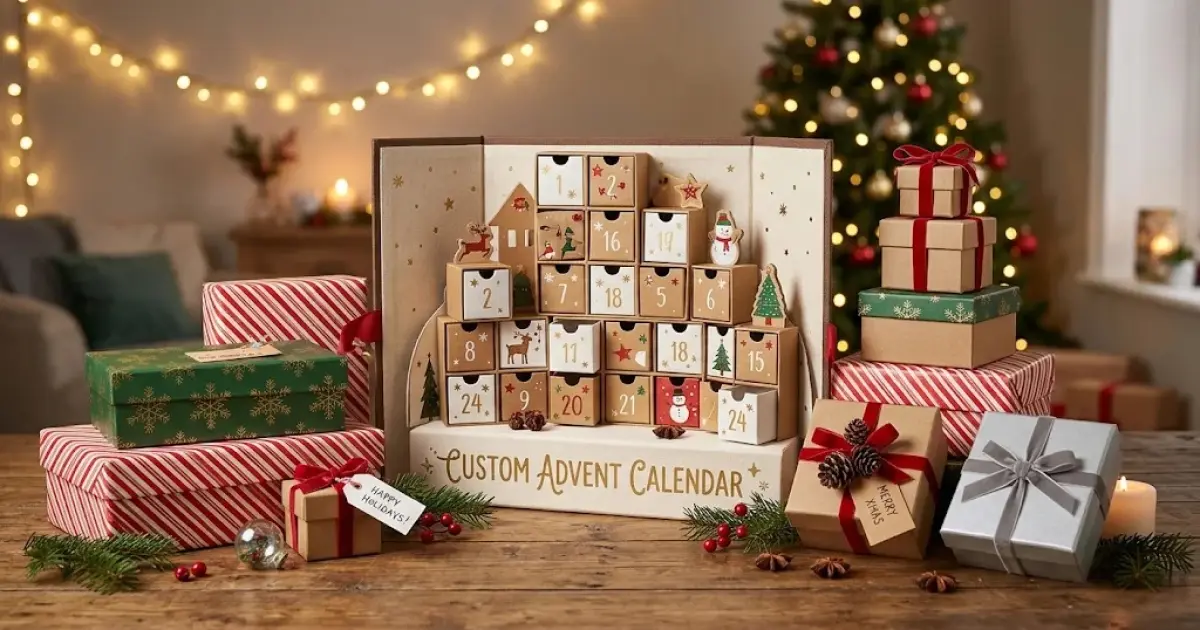
Every event requires careful planning. Suitable packaging ensures gifts, food, or the elements must travel smoothly. Proper packaging sizes and strategies can reduce losses, save time, and preserve prepared items. Whether it is intended for a wedding, alternative show, party, or corporate gathering, the event packaging will show special vibes. The best options make setup quick and easy to clean.
Why Box Size Matters at Events?
Box size affects safety, storage, and transportation. The best sizes of packaging give an exact fit to your products. They also restrict the movement of products during rush hour. Large packaging also seems useful for saving time. However, they make it difficult to manage waste space and product handling. However, the compact box sizes provide excellent space for fragile items.
Choose a length that allows enough room for protective gear. Avoid leaving large spaces in the boxes.
Small Boxes for Compact Event Items
Small boxes work nicely for lightweight personal items. They fit invitations, favours, candles, small gifts, and extras. These boxes also help the organizers organize with the help of a class. You can label each box based on its content or event location.
Select tissue paper or paper stuffing for sensitive equipment. This technique prevents movement that does not involve tonnage. Small boxes also paint beautifully for guest welcome accessories. Each set can contain many small essentials in a tailored bundle, making them an ideal option when crafting advent calendar filled with daily treats.
Medium Boxes for Event Supplies
Medium packaging boxes provide a discreet alternative to standard event items. They can preserve decorations, stationery, and wrapped gifts. These boxes provide enough space for tight holding. They also stack nicely when you choose similar sizes.
Use dividers when things can scratch or collide. Cardboard inserts allow you to separate different items in the same boxes. For heavier items, choose strong packaging boxes with strong bottom seams. This alignment can prevent sudden stops at some stage of transportation.
Large Boxes for Lightweight Items
Large packaging boxes are best for larger but lightweight products. Examples include banners, fabric decorations, cushions, and paper products. Avoid placing heavy equipment inside large boxes. Their weight can make lifting dangerous and can damage the area. Divide heavy materials into smaller bags. This approach reinforces and continues the behaviour of making each container less difficult to manoeuvre.
Choosing Packaging for a Wedding
Weddings usually involve fragile decorations and lots of little details. Glassware, centerpieces, favors, and signs need careful packaging. Wrap fragile items separately in paper or a suitable pad. Place the heavier part under the lighter part as far as possible.
Use graded boxes for each receiving proximity. For example, you can create custom programs for tables, gifts, decorations, and guest accessories. This system makes positioning much less difficult. Employees can quickly move each package to its proper area.
Packaging for Trade Shows
The activity indicates that moving between specific locations requires items on a regular basis. Organized packaging is essential for displays, samples, brochures, and promotional items. Use a medium container for printed materials and small items. Protect the display connector with padding to prevent scratches.
Whenever possible, gather the required installation components. Brands should be aware of booth materials, features, equipment, and displays. Sturdy boxes can also help protect items during repeated moves. Recycled packaging works nicely for companies that attend multiple events every 12 months.
Packaging for Seasonal and Social Events
Birthday parties usually include favors, decorations, tableware, and small gifts. Smaller boxes can keep those items organized. Seasonal activities also require packaging that matches the event. Christmas boxes can include candy, festive goods, small gifts, and themed accessories.
Use special programs for decorative and service items. This technique prevents essential items from being buried under various materials. Packing for holiday events can also be part of the visitor experience. With advent calendar, you can schedule gifts or seasonal surprises each day.
Food and Catering Packaging
Special attention to food is required during transport. Choose packaging that is appropriate for the type of food, temperature, and travel time. Use sturdy boxes for heavier food items. Prevent leaks with the help of fixed closures and keeping the packaging container upright.
Keep hot and cold food separate when needed. This practice helps maintain high-quality food at all stages of transportation. Catering staff must also remember to keep clean and store. Better packaging could prevent burns and make the garage greener.
Protective Methods for Fragile Items
Fragile items will need more than the correct box size. They also need safety from the effects of outside. Pack glass, ceramic, and delicate decorations separately. Use padding around the sides and corners of each item.
Fill the holes with suitable protective material. The intention is to prevent material from shifting during movement. Now fill the field over. Too much pressure can damage fragile materials before the event begins.
Sustainable Packaging Options
Event packaging can create a lot of waste. Recycling options can help mitigate that impact. Be smart and choose recycled paper packaging. Recycle sturdy boxes for emergencies if they are smooth and undamaged.
Some plastic materials can be upgraded with paper-based padding. Reusable boxes also provide a practical advantage for recurring events. Protection should still be a priority. Damaged products generate waste and can cost a little more than proper packaging.
Labeling Makes Event Setup Easier
Clear branding can save valuable time throughout event preparation. Each area should show its content and destination. Use large, easy-to-check labels on visual aspects. Color coding can also help groups be aware of specific event zones.
Open clear transactions with variable operation information. When an event involves many bins, keep stock lists.
Final Thoughts for Great Event Packaging
Start packing quickly and put similar items together. Label each box before moving it to the shipping locker. Choose a domain size primarily based on content, not convenience per se. Use protective gear when things can shift or be destroyed.
Keep heavy boxes manageable for one person. Regularly keep desirable materials where they are consistently clean for them to access. A handy packing plan can save you a lot of hassle on the day of the event. Thoughtful choices allow organizers to protect components and streamline configuration.
A quality approach depends on the object, the type of event, the route taken, and the need addressed. Smart planning ensures that each package arrives ready to use. For reliable results, choose appropriate box sizes and packaging techniques for each event.
0 Comments
No comments yet. Be the first to respond.
Log in to comment