What Makes Brand Identity Design Effective for Brands
A brand is often recognized before customers know much about the business behind it. A familiar logo, a consistent color palette, distinctive typography, or a recognizable visual style can immediately create an impression. In competitive markets, these visual elements can help businesses communicate their identity and remain memorable. This is why Brand Identity Design is an important part of building a clear and consistent brand presence.
Effective brand identity is not simply about making a business look attractive. It involves combining visual elements in a way that reflects the brand's personality, communicates its values, and creates consistency across customer touchpoints. When thoughtfully developed, Brand Identity Design can support recognition, differentiation, and stronger communication.
Understanding Brand Identity Design
Brand Identity Design is the process of creating the visual elements that represent a brand. These elements can include logos, colors, typography, imagery, icons, graphic styles, packaging, and other visual components.
A logo is only one part of an identity. A complete design system provides businesses with guidelines for presenting themselves consistently across different platforms and materials.
When these elements work together, they can create a recognizable visual language that helps customers understand and remember a brand.
Clear Connection With Brand Purpose
One of the most important qualities of effective identity design is its connection with the brand's purpose. Visual choices should support what the business actually represents rather than existing only for decoration.
A business focused on professional services may require a different visual approach from a creative or entertainment-focused company. The identity should reflect the nature of the organization and the expectations of its audience.
Effective Brand Identity Design connects visual decisions with the broader purpose and positioning of the brand.
Consistency Across Touchpoints
Customers may encounter a brand through a website, social media, advertising, packaging, email, presentations, or printed materials. If each platform uses completely different visual elements, customers may struggle to connect them with the same business.
Consistency creates a more unified experience. Repeating recognizable colors, typography, imagery, and graphic elements can make a brand easier to identify.
A well-planned Brand Identity Design gives businesses a visual framework that can be applied consistently across different communication channels.
Strong Visual Recognition
Recognition is another key factor that makes identity design effective. Customers are exposed to many brands every day, so recognizable visual characteristics can help a business remain identifiable.
A distinctive logo, memorable color combination, or consistent graphic style can become associated with a particular company over time.
Brand Identity Design supports this recognition by giving businesses a collection of visual elements that can work together rather than relying on a single logo.
Understanding the Target Audience
Effective design should consider who the brand is trying to reach. Different audiences can have different expectations, preferences, and visual associations.
Before developing an identity, businesses can research their target audience, industry, competitors, and market positioning. This information can help designers make more relevant decisions.
When audience expectations are considered carefully, Brand Identity Design can communicate in a way that feels appropriate while still giving the business room to establish its own identity.
A Distinctive Brand Personality
Brand personality influences how a company is perceived. Some brands may want to communicate professionalism and reliability, while others may focus on creativity, energy, simplicity, or friendliness.
Design elements can support these characteristics through typography, imagery, colors, shapes, and layouts.
A strong Brand Identity Design gives these elements a consistent direction, helping the brand develop a visual personality that customers can recognize.
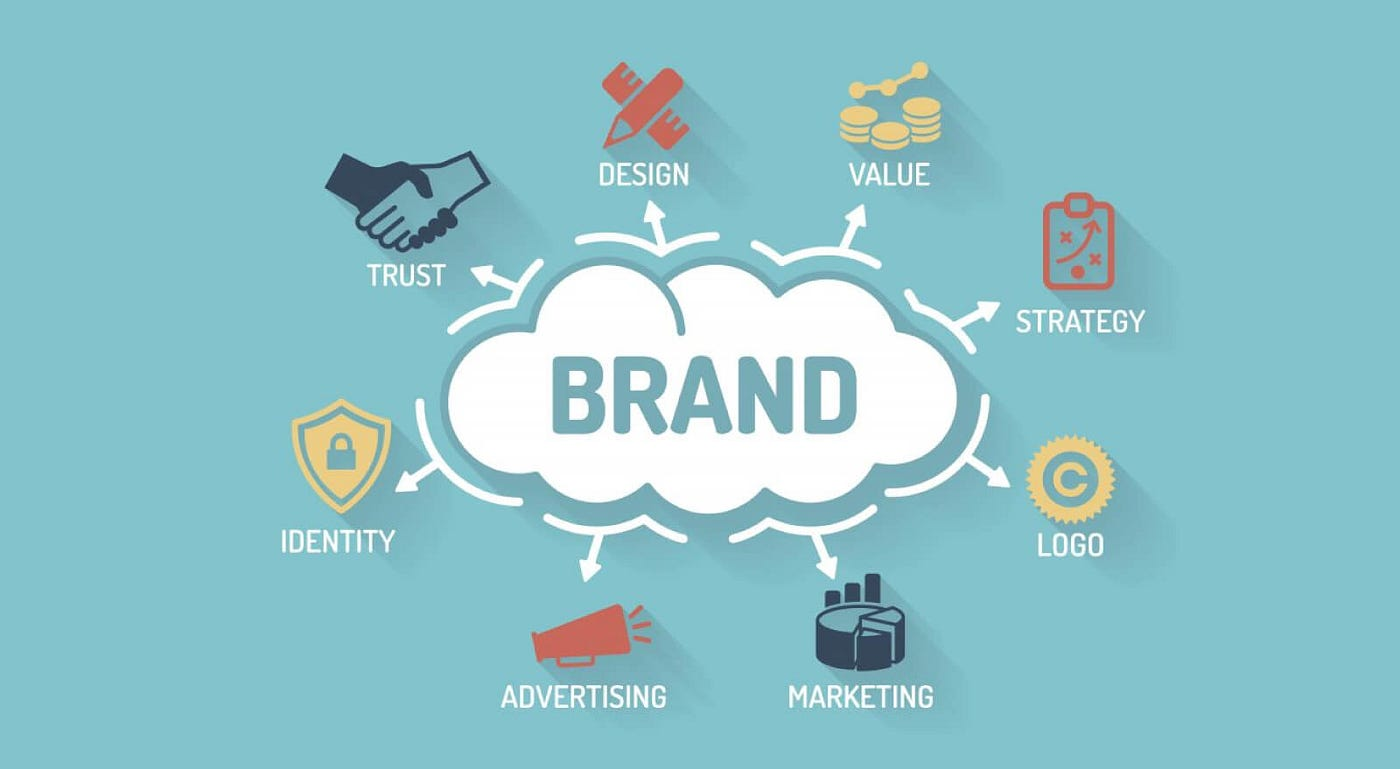
Color can have a strong visual impact and is often one of the first elements customers notice. Different color combinations can create different impressions and contribute to brand recognition.
However, effective color selection should go beyond choosing colors that look attractive. Businesses should consider readability, industry expectations, audience preferences, accessibility, and how colors will appear across different formats.
Through thoughtful Brand Identity Design, colors can become part of a consistent visual system that supports the overall brand.
Readable and Appropriate Typography
Typography influences both appearance and usability. The fonts used in a brand identity can contribute to its personality while also affecting how easily customers can read information.
A successful identity usually combines distinctive typography with practical readability. Fonts should work across websites, advertisements, social media graphics, documents, and other materials.
This balance allows Brand Identity Design to remain visually appealing without making communication difficult to understand.
Flexible Design for Different Formats
Modern brands need identities that can work in many environments. A logo may appear on a large sign, a mobile screen, a social media profile, or a small printed document.
An effective identity should therefore be flexible enough to adapt to different sizes and formats while remaining recognizable.
A scalable Brand Identity Design can help businesses maintain consistency whether they are creating digital content, printed materials, packaging, or promotional assets.
Simplicity and Clarity
Complexity does not automatically make a brand identity stronger. Too many visual elements can make a design difficult to understand and remember.
Simple design can make important elements easier to recognize. A clear visual hierarchy also helps customers focus on the information that matters.
Effective Brand Identity Design uses simplicity strategically, ensuring that each visual element has a purpose.
Authenticity and Originality
An effective identity should feel authentic to the business. Copying competitors or following every design trend can make a brand appear less distinctive.
Originality does not mean creating something completely unfamiliar. It means developing visual choices that genuinely represent the business while creating a recognizable difference.
Authentic Brand Identity Design connects visual presentation with real business values, products, services, and customer experiences.
Supporting Marketing Activities
A strong identity can make marketing activities easier to coordinate. When businesses have clear guidelines for colors, fonts, imagery, logos, and layouts, marketing teams can create new materials more consistently.
This can be particularly useful when several people or departments contribute to brand communication.
Brand Identity Design can therefore provide a practical foundation for social media content, advertising, websites, presentations, brochures, and other marketing materials.
Evolving With the Brand
A brand identity should be able to grow with the business. Companies may introduce new services, enter new markets, or change their communication priorities over time.
An effective design system can be updated when necessary without removing every familiar characteristic. This allows businesses to remain relevant while preserving recognition.
Flexible Brand Identity Design supports long-term brand development by allowing visual elements to adapt to changing needs.
Final Thoughts
Brand Identity Design becomes effective when it combines clarity, consistency, recognition, relevance, flexibility, and authenticity. A strong identity is not simply an attractive collection of visual elements. It is a structured system that helps businesses communicate who they are and how they want to be recognized.
From purposeful colors and typography to distinctive visuals and consistent communication, every element can contribute to the overall brand experience. When design reflects genuine business values and audience expectations, Brand Identity Design can provide a strong foundation for building recognition and maintaining a consistent presence in competitive markets.