Transit Visas Requirements for Easy Applications
International journeys often include a connecting flight through another country before reaching the final destination. While some travellers can transit without additional immigration permission, others may need Transit Visas depending on their nationality, route, airport, and travel circumstances. Understanding the requirements before applying can make the process more organised and help travellers avoid preventable problems.
A transit visa is generally intended for travellers passing through a country on the way to another destination rather than staying there as their primary destination. However, every country has its own immigration rules, and exemptions may apply. For this reason, travellers should always check current official requirements for their specific situation.
What Are Transit Visas?
Transit Visas are permissions that may allow eligible travellers to pass through a country while continuing to another destination. They are commonly associated with international airport connections, although the exact definition and conditions vary by country.
Whether you need a transit visa can depend on your passport, the country where you connect, your final destination, the airport, the length of your connection, and whether you need to pass through immigration.
Knowing these factors is the first step toward a smoother application.
Do You Always Need a Transit Visa?
No. Not every traveller requires a transit visa.
Some passengers may qualify for an exemption based on nationality, destination, residence status, or another specific condition. In other situations, a traveller may need a transit visa even if they plan to remain at the airport.
The only reliable way to determine your requirement is to check the current official immigration guidance for your specific journey.
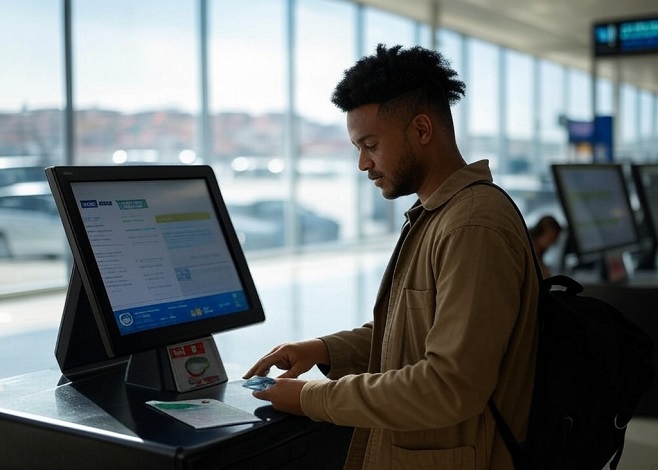 Key Transit Visa Requirements to Check
Before preparing your application, consider the following requirements:
Valid passport
Correct transit visa category
Confirmed or appropriate travel itinerary
Permission to enter the final destination, where applicable
Completed application form
Recent photographs, where required
Supporting documents
Visa fee, if applicable
Biometric information, if required
The exact list can differ considerably between countries, so applicants should follow the official checklist rather than a generic list.
1. Valid Passport
A valid passport is usually one of the most important requirements for Transit Visas.
Check your passport number, full name, nationality, date of birth, issue date, and expiry date carefully.
Some countries may require a particular amount of remaining passport validity.
If your passport is close to expiry, review the relevant rules before applying.
The information in your application should accurately match your passport.
2. Appropriate Transit Visa Category
Not every transit situation is the same.
A traveller who remains in an international airport transit area may have different requirements from someone who needs to enter the country to collect luggage or change airports.
Some countries may have separate categories for different types of transit.
Before applying, identify the category that matches your actual journey.
3. Flight Itinerary
Your travel itinerary is an important part of many transit applications.
It may need to show your departure point, transit airport, connecting flight, dates, and final destination.
Review these details carefully and make sure they match the information entered in your application.
If your journey includes multiple transit countries, check the requirements for each country separately.
4. Final Destination Permission
Some applicants may need to demonstrate that they are allowed to travel to their final destination.
Depending on the circumstances, this could mean showing a visa, residence permit, or another valid form of entry permission.
A transit visa generally does not replace the entry requirements for your final destination.
Check both sets of requirements before beginning your journey.
5. Completed Application Form
Application forms should be completed carefully and truthfully.
Enter names, passport details, travel dates, destinations, and other requested information accurately.
Do not guess when answering questions. If an instruction is unclear, consult the official guidance or appropriate authority.
Before submission, compare the form with your supporting documents to identify accidental errors.
6. Passport Photographs
Some Transit Visas applications require recent photographs that meet specific standards.
These requirements may cover photograph size, background, expression, lighting, and other technical details.
Do not assume that an old photograph will automatically meet the current requirements.
Follow the specifications provided by the relevant authority or application centre.
7. Proof of Travel
Depending on the application process, travellers may need to provide evidence of their planned journey.
This can include flight reservations, tickets, or an itinerary showing the connection and final destination.
The evidence should accurately reflect the proposed journey.
If your travel plans change significantly, check whether the change affects the transit visa requirement.
8. Proof of Legal Status
Some applications may require evidence that the applicant legally resides in the country where they are applying.
This could be relevant when a person is applying outside their country of nationality.
The exact requirement depends on the application location and visa rules.
Applicants should check the official instructions for their circumstances.
9. Supporting Documents
Additional documents may be required depending on nationality, destination, and transit circumstances.
These can include financial evidence, employment information, accommodation details, sponsorship documents, or other records.
Do not provide documents simply because another applicant submitted them.
Instead, follow the official requirements applicable to your application.
10. Visa Fees
Some transit visa applications require a fee, while others may be free or subject to exemptions.
Check the current fee and accepted payment methods through the official application channel.
Keep your payment receipt or confirmation if one is issued.
Fees and procedures can change, so avoid relying on outdated information.
11. Biometric Requirements
Certain visa applications may require biometric information.
Applicants could be asked to provide fingerprints, photographs, or other information at an approved location.
If biometrics are required, check the appointment procedure and required documents before attending.
Missing a required appointment can delay the application process.
12. Translation and Certification
Documents issued in another language may require translation.
The exact requirements vary by country and visa category.
Some authorities may require certified translations or specific translator details.
Before submitting translated documents, confirm the current rules through official sources.
Airside vs. Landside Transit Requirements
One of the most important considerations is whether you remain airside.
Airside transit generally means staying within the international transit area without passing through border control.
Landside transit may involve entering the country, collecting checked baggage, changing airports, or leaving the airport.
These circumstances can affect whether Transit Visas are required.
Travellers should confirm their connection arrangements with both the airline and relevant immigration authority when necessary.
Common Mistakes to Avoid
Applicants can make the process harder by using outdated information, choosing the wrong visa category, entering incorrect passport details, overlooking a second transit country, or applying too close to the travel date.
Another common mistake is assuming that a transit visa is unnecessary simply because the traveller does not intend to visit the country.
Requirements can depend on nationality and airport arrangements, so assumptions can be risky.
How to Make the Application Easier
Start by reviewing the entire journey. Identify every transit point and determine whether immigration control is involved.
Then check the official requirements for your nationality and travel circumstances.
Prepare the required documents, complete the application carefully, review everything for consistency, and submit it through the correct channel.
Applying early gives you more time to respond if additional information is requested.
 Why Early Preparation Matters
Processing times can vary considerably.
Some applications may be processed quickly, while others may require additional checks or documents.
Unexpected delays can become particularly stressful when a flight date is approaching.
Starting early provides a better opportunity to resolve genuine documentation issues before travelling.
Final Checklist Before Applying
Before submitting your Transit Visas application, check:
Your passport is valid and details are accurate.
You have selected the correct transit visa category.
Your itinerary is complete and accurate.
Your final destination permission is valid, where required.
The application form is complete.
Required photographs meet specifications.
Supporting documents are included.
Translations meet applicable requirements.
The correct fee has been paid, where applicable.
Biometric requirements have been followed, where applicable.
You have allowed sufficient processing time.
Final Thoughts
Understanding Transit Visas requirements can make international travel planning much easier. The most important step is to avoid assumptions and check the rules that apply to your exact nationality, route, airport, and final destination.
A successful application starts with a valid passport, the correct visa category, an accurate itinerary, complete supporting documents, and a carefully completed application form. Applicants should also check translation, biometric, fee, and timing requirements where relevant.
Transit visa rules can change, and the requirements differ between countries. Therefore, current official immigration guidance should always be your primary source.
With early preparation, accurate information, and careful document checking, travellers can make the transit visa application process more straightforward and reduce avoidable complications before beginning their international journey.