
SEO
The Growing Importance of Vegan Materials in Product Development
Changing Priorities Across Consumer Markets
Animal welfare has become an important consideration for many consumers and businesses. This has encouraged manufacturers to investigate materials that do not rely on animal-derived ingredients. Fashion, accessories, and lifestyle product brands are increasingly exploring vegan alternatives as part of broader product development strategies.
However, a vegan material and a sustainable material are not automatically the same thing. Their composition, manufacturing process, environmental profile, and performance should be evaluated separately. Responsible sourcing requires a clear understanding of what a product contains and how it is made.
Beyond Conventional Synthetic Alternatives
Many familiar leather substitutes are based on synthetic polymers. Although they remove the need for animal hides, their environmental profile depends on their ingredients and production methods. This has created interest in materials that incorporate a higher proportion of renewable biological resources.
Bio-based alternatives can combine plant-derived components with engineered structures to create surfaces suitable for manufacturing. The challenge is to balance material composition with durability, flexibility, and commercial practicality.
Developing Materials Without Animal Inputs
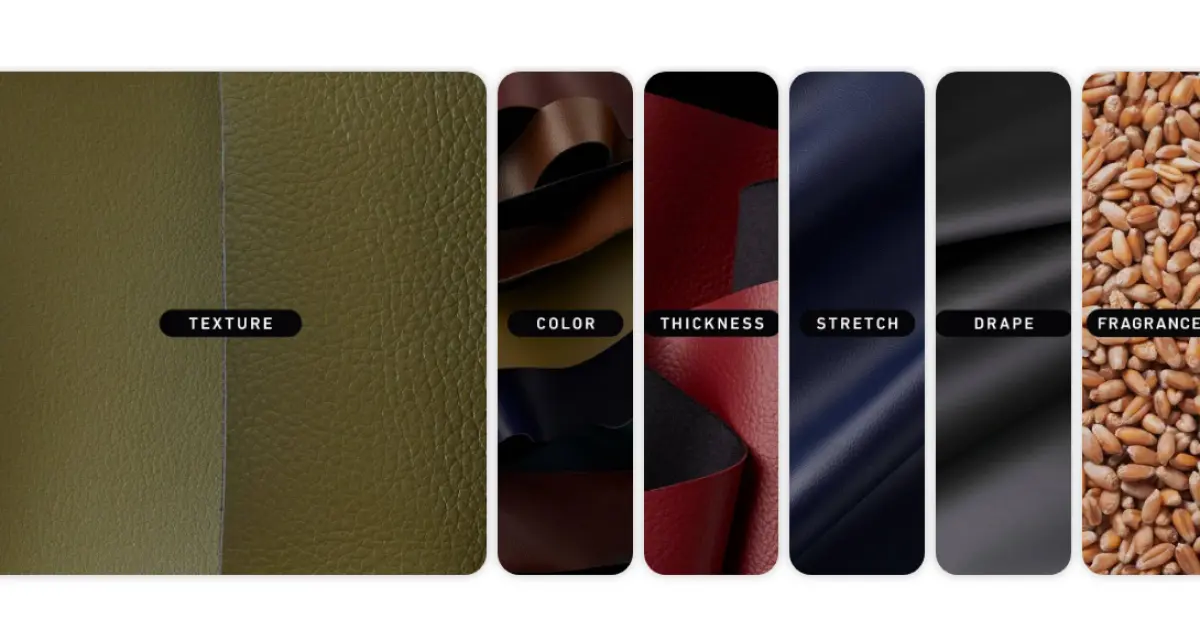
UNCAGED Innovations focuses on this area through its ELEVATE material. Its BioFuze technology uses grain-based proteins and bio-based components to develop an alternative inspired by the structure of natural leather.
The company positions its material as a vegan solution for brands exploring new approaches to product design. Information about its technology and applications can be found at https://uncagedinnovations.com/.
Evaluating Vegan Materials Carefully
Businesses should examine supplier documentation, ingredient information, and relevant third-party assessments before making product claims. They should also test materials for their intended applications rather than assuming that every vegan alternative offers identical performance.
This process helps brands communicate more accurately with customers and select materials that meet their manufacturing needs.
A More Diverse Material Landscape
Vegan material innovation is creating opportunities for designers and manufacturers to reconsider familiar product categories. As biological ingredients and advanced engineering become more widely explored, businesses can access additional choices that align with animal welfare objectives while maintaining a focus on quality and functionality.

0 Comments
No comments yet. Be the first to respond.
Log in to comment