
Hospitality
Patient Care Equipment Every New Chiropractic Clinic Needs in Its First Year
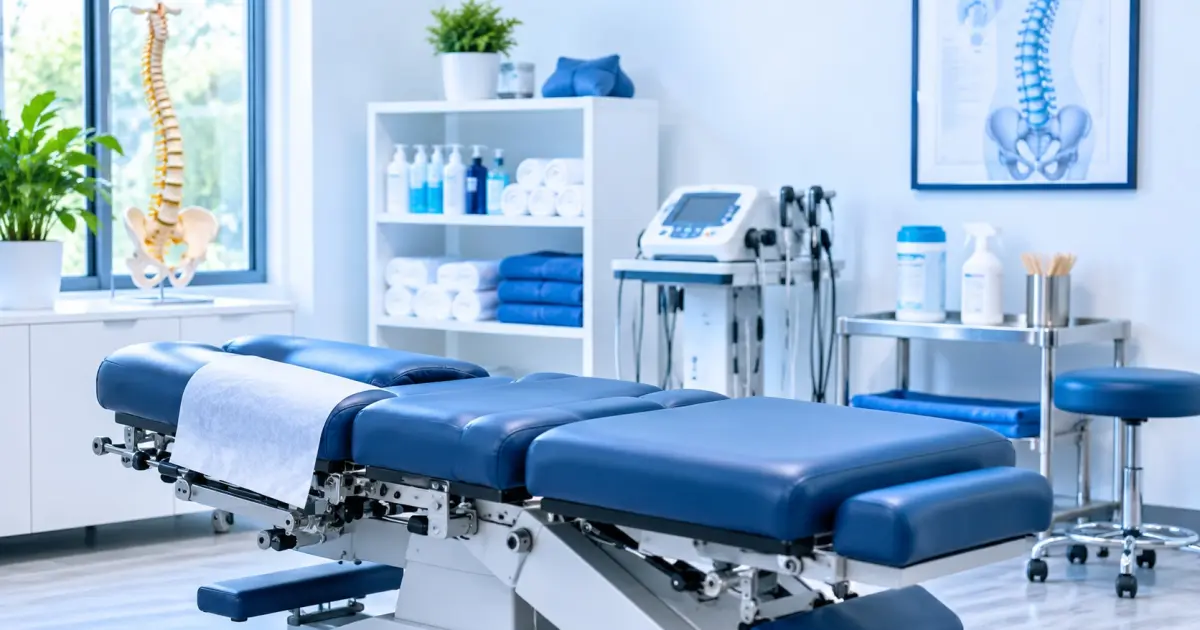
A new chiropractic clinic needs a treatment table, headrest and table paper, disinfectants, basic diagnostic tools, hot and cold packs, a small electrotherapy unit and a few supportive items for patients. That is the core of the patient care equipment you should have in place before your first appointment. Everything else can wait until your schedule fills up and you know which services patients actually ask for.
Opening a clinic means making hundreds of small decisions on a tight budget. Buying everything at once is tempting, but it often leaves expensive machines sitting unused in a back room. This guide covers what to buy first, what to add by mid year and what to hold off on.
Start With the Treatment Room EssentialsThe Treatment Table
Your table is the one piece of equipment you will use on every single patient, so it deserves the biggest share of your budget. Look for a stable frame, a cushion that holds up to daily use and adjustments that suit your technique. A flexion table, a drop table and a fixed table each serve a different style, so choose based on how you actually adjust.
Headrest and Table Paper
Paper rolls feel like an afterthought until you run out on a busy Monday morning. Face paper for the headrest and a roll for the table keep each visit clean and make room turnover fast. Keep a few spare rolls on the shelf instead of ordering one at a time.
Pillows and Positioning Support
Patients with neck pain, low back pain or pregnancy all need different positioning. A few pillows and bolsters let you make each person comfortable without rebuilding the setup every time. Cervical pillows are also an easy item to recommend for use at home.
Infection Control Comes Before Everything Else
Cleanliness is part of the patient experience. People notice the smell of the room, the condition of the table and whether you wipe surfaces between visits. A clinic that looks spotless earns trust before you say a word.
Disinfectants and Wipes
Choose an EPA registered disinfectant that is safe on vinyl upholstery, because harsh cleaners can crack a table surface over time. Keep a spray bottle and wipes within arm's reach in every treatment room so cleaning happens naturally between patients.
Gloves, Sanitizer and Laundry
Stock hand sanitizer at the front desk and in each room, along with gloves for any procedure that calls for them. If you use cloth items such as gowns or pillowcases, decide early how you will launder them and keep spares so one wash day never slows the schedule.
Diagnostic Tools for Your First Patient Visits
Good records protect your patients and your practice. A basic diagnostic kit lets you document findings from the very first consultation. A reflex hammer, tape measure, goniometer, blood pressure cuff and stethoscope handle most intake exams.
A scale and a postural grid also help you show patients their own progress over time. If you plan to perform DOT physicals, add the specific items that exam requires so you are not scrambling when the first driver books.
Patient Care Equipment That Pays for ItselfHot and Cold Packs
Heat relaxes tight muscles before an adjustment, and cold calms irritated areas afterward. Moist heat packs with a heating unit and a few reusable cold packs cover most needs. Buy more covers than you think necessary, because each patient needs a clean one.
Electrotherapy Units
A TENS or EMS unit with a set of electrodes is a sensible first purchase when you want to add passive therapy. Start with one dependable clinical unit and a generous supply of electrodes. You can add more units once patient demand justifies them.
Big Machines Can Wait
Lasers, traction systems and shockwave devices can be valuable, but they cost far more and need proper training. Wait until you have several months of patient data showing real demand. A clinic that buys a laser in month two is guessing whether patients will pay for it.
Supplies Patients Can Take Home
Retail items turn one visit into ongoing care. Back supports, wrist braces and knee supports give patients something to use between appointments. Topical analgesics and a few exercise bands also move easily when you explain how to use them. Keep the selection small so you can speak confidently about every product.
A Realistic Equipment Plan for Year OneMonths One to Three
Focus on the table, paper, disinfectants, a diagnostic kit and basic hot and cold therapy. These are the items you need on opening day. Everything else is optional until patients start filling your calendar.
Months Four to Eight
Add an electrotherapy unit, extra pillows and a small retail shelf. By now you will know which complaints walk through the door most often, and you can buy with that pattern in mind. A neck heavy caseload calls for different supplies than a clinic full of desk workers with low back pain.
Months Nine to Twelve
Consider larger equipment only if your numbers support it. Review what you actually used, reorder what moves and stop buying what sits on the shelf.
Buy From One Source
Ordering from several vendors means several invoices, several shipping charges and several chances for a delay. A single supplier that carries clinical, orthopedic and therapy items makes reordering much simpler. You can browse a full range of patient care equipment built for chiropractic clinics in one place instead of piecing the list together yourself.
Frequently Asked Questions
Q1. What is patient care equipment in a chiropractic clinic?
Ans: It covers everything used to examine and treat patients, from the table and paper rolls to diagnostic tools, therapy packs and electrotherapy units. It also includes the cleaning supplies that keep treatment rooms safe. Basically, if it touches the patient visit, it counts.
Q2. What should a new chiropractic clinic buy first?
Ans: Start with a treatment table, headrest and table paper, an effective disinfectant, a basic diagnostic kit and hot and cold packs. Those items let you see patients safely from day one. Add everything else as demand grows.
Q3. How should I budget for equipment in the first year?
Ans: Costs vary widely depending on your table choice and whether you add therapy units. A practical approach is to spend about half your equipment budget before opening and hold the rest for months four through twelve. That leaves room to respond to what patients ask for.
Q4. Do I need an electrotherapy unit right away?
Ans: No. Many clinics open without one and add it within the first year once they see patients who benefit from passive therapy. If you buy early, one dependable clinical unit with spare electrodes is plenty.
Q5. Should I buy new or used equipment?
Ans: A used table can save money if the frame and cushion are in good shape. Buy consumables such as paper, packs and disinfectants new, and make sure any used electrical device has been tested and comes with all its accessories.
Start Simple and Build as You Grow
The best first year plan is a simple one. Put your money into a good table, keep infection control tight, stock a small diagnostic kit and add hot and cold therapy. Hold larger machines until demand is clear. When you are ready to stock your rooms, explore dependable patient care equipment from a single supplier and build your list in stages. Patients will notice a clean, well prepared room long before they notice any machine.


0 Comments
No comments yet. Be the first to respond.
Log in to comment