Newcastle University Campus Facilities and Student Life
Choosing a university is about more than finding the right degree. Students also want to know what their everyday experience will look like, where they can study, how they can meet new people, and what facilities will support them throughout their education. A welcoming campus with useful academic, social, sporting, and career resources can make university life more productive and enjoyable. For students considering higher education in the UK, Newcastle University offers a city-centre university experience with a wide range of facilities and activities.
Located in Newcastle upon Tyne, Newcastle University provides students with access to academic buildings, libraries, specialist facilities, student services, sports opportunities, societies, and social spaces. Its location also allows students to experience the wider culture and opportunities of a vibrant UK city.
Why Campus Facilities Matter
University facilities can influence how students learn, collaborate, relax, and develop new skills. Students may need quiet spaces for independent study, specialist environments for practical work, and social areas where they can build friendships.
The right facilities can also support students outside the classroom. Careers services, sports facilities, student societies, wellbeing support, and community activities can contribute to a more balanced university experience.
The Newcastle University campus brings many of these elements together, giving students opportunities to combine academic study with personal and professional development.
1. A Central University Campus
One of the notable features of Newcastle University is its location close to the centre of Newcastle upon Tyne.
A central campus can give students convenient access to shops, restaurants, cultural venues, entertainment, transport links, and other city services. Students can enjoy the community atmosphere of a university campus while also having the wider city within easy reach.
This combination can be particularly appealing to students who prefer an active urban environment.
2. Modern Learning Spaces
Students spend a significant amount of their university experience attending lectures, seminars, workshops, and other teaching sessions.
Newcastle University provides a range of learning spaces designed for different teaching approaches. Depending on the programme, students may use lecture theatres, classrooms, seminar rooms, computer facilities, and specialist teaching environments.
The specific facilities available can differ between subjects, so prospective students should research their chosen course carefully.
3. Library and Study Resources
Libraries remain an important part of university life, even as more learning materials become digital.
Students need access to academic books, journals, databases, electronic resources, computers, and suitable spaces for independent study.
The Newcastle University library environment supports students with resources for coursework, research, revision, and wider academic reading. Learning how to use academic databases and evaluate reliable sources can also help students become stronger independent learners.
4. Individual Study Areas
Not every student studies effectively in the same environment.
Some prefer quiet areas for reading and writing, while others work better in spaces designed for longer study sessions.
Having access to different study environments can help students choose a setting that suits their needs. During busy periods such as examinations, students can plan their schedules around available study spaces to maintain concentration.
5. Collaborative Learning Areas
University education increasingly involves teamwork.
Students may work together on presentations, research projects, assignments, and practical activities. Collaborative spaces can make it easier for students to discuss ideas, divide responsibilities, and solve problems together.
At Newcastle University, students can combine individual study with group learning depending on the requirements of their programme.
6. Specialist Course Facilities
Different subjects require different resources.
Students studying science, engineering, medicine, computing, architecture, creative subjects, and other practical disciplines may require laboratories, specialist equipment, studios, clinical environments, workshops, or advanced technology.
Newcastle University provides specialist facilities across its academic disciplines. Prospective students should investigate the resources available within their specific school or department rather than relying only on general campus information.
7. Research Environment
Research is an important part of university education, particularly for students considering postgraduate study.
Newcastle University has a strong research environment across numerous academic fields. Students may encounter research-informed teaching, academic projects, specialist facilities, and opportunities to engage with current developments in their subject.
Research experience can help students develop analytical thinking, evidence evaluation, problem-solving, and communication skills.
8. Digital Learning Facilities
Technology is now closely connected with university education.
Students may use online learning platforms, digital libraries, academic databases, specialist software, and other online resources to support their studies.
Digital learning tools can help students access course information, submit work, communicate with staff, and continue learning outside scheduled classes.
Developing effective digital study habits can also prepare students for modern professional environments.
 9. Student Societies
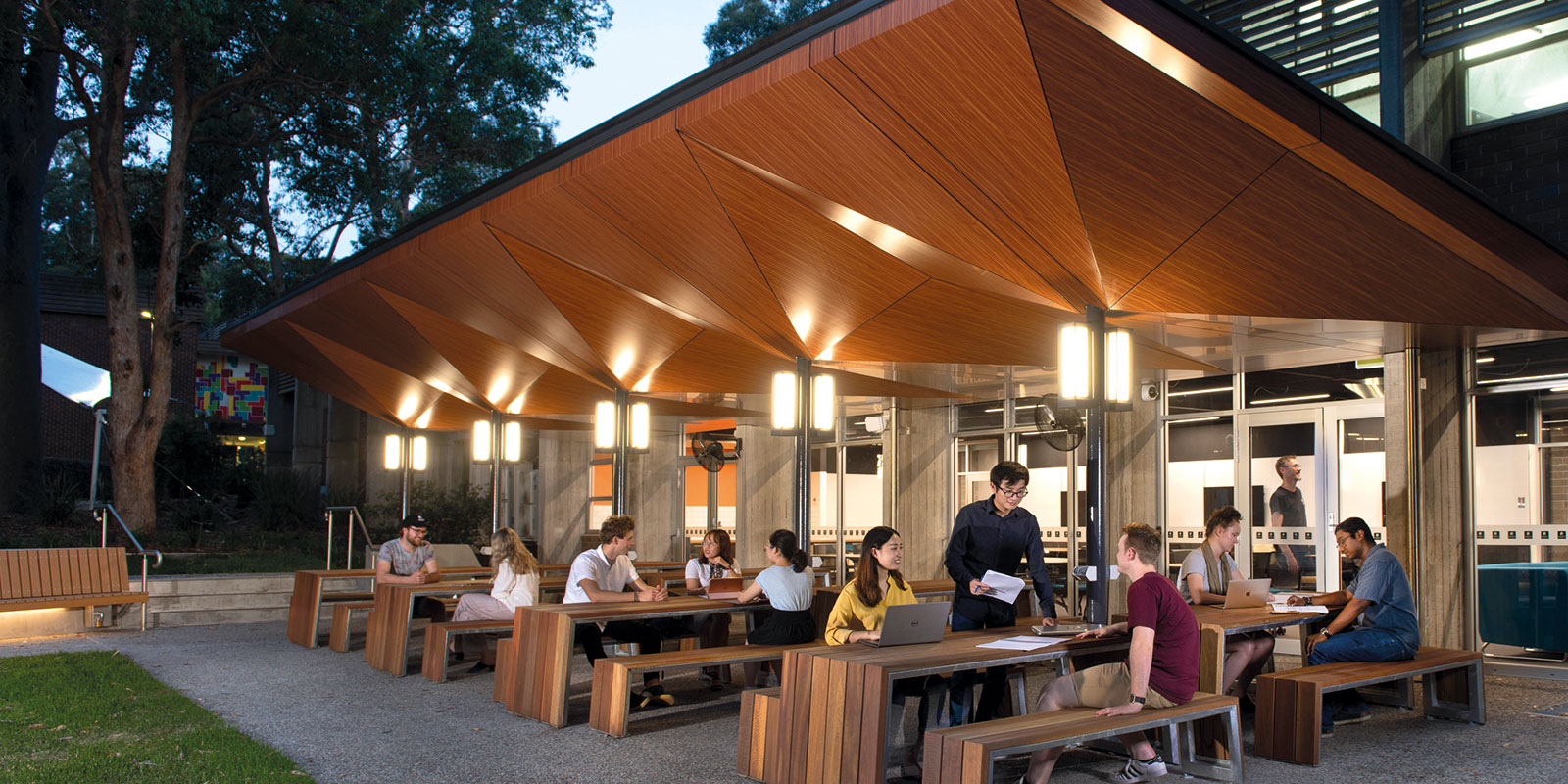
Student societies are an important part of campus life.
Students can find groups related to hobbies, academic subjects, cultures, careers, creative interests, sports, volunteering, and many other areas.
Joining a society can help students meet people outside their course and develop transferable skills such as communication, teamwork, event planning, and leadership.
For new students, joining an activity can be an effective way to become more familiar with university life.
10. Sports and Fitness
Maintaining a healthy balance between study and personal activities can make university life more rewarding.
Newcastle University provides opportunities for students to participate in sport, fitness, and recreational activities. Students may take part in organised teams, individual activities, fitness sessions, or other sporting opportunities.
Sport can also help students develop teamwork, discipline, confidence, and social connections.
11. Student Support Services
University life can involve academic, financial, personal, and practical challenges.
Student support services can provide guidance when students need assistance. Support may cover areas such as academic matters, wellbeing, disability, careers, finance, and other student needs.
Students should familiarise themselves with available services early and seek appropriate guidance rather than waiting until a problem becomes difficult to manage.
12. Careers and Employability Support
Student life is also an opportunity to prepare for life after graduation.
Career services can help students explore professional options, improve CVs and applications, prepare for interviews, find opportunities, and understand recruitment processes.
The Newcastle University experience can be strengthened when students begin career planning early and use relevant opportunities throughout their degree.
Placements, internships, volunteering, projects, and extracurricular responsibilities can all provide useful evidence of skills.
13. Social and Community Spaces
Students need places where they can relax and interact with friends.
Cafés, common areas, student spaces, events, and university activities can create opportunities for social interaction between classes and study sessions.
A strong social environment can help students develop a sense of belonging, particularly during their first year.
14. Student Union Activities
Student-led activities can make university life more engaging.
Students can participate in events, campaigns, societies, volunteering, and other initiatives through the student community.
Getting involved can allow students to contribute to campus life while developing organisation, communication, leadership, and teamwork abilities.
15. International Student Experience
International students can benefit from studying in a diverse university environment.
The Newcastle University community includes students from different countries and backgrounds, creating opportunities for cultural exchange and new friendships.
International students can also explore societies and activities that help them connect with others while experiencing life in the UK.
Before travelling, international applicants should research current visa requirements, tuition fees, accommodation, living costs, and other relevant conditions.
16. Living in Newcastle
The university's location gives students access to Newcastle upon Tyne and the wider North East.
Newcastle is known for its cultural attractions, entertainment, restaurants, shopping areas, sports, and social environment. Students can explore the city alongside their academic life.
The city's transport connections can also make it easier to explore nearby areas, subject to individual travel plans and budgets.
17. Accommodation Options
Where students live can have a major impact on their experience.
Students may consider university accommodation or private housing depending on availability and personal preferences. Important factors include rent, bills, contract length, facilities, location, transport, and distance from campus.
Students should research accommodation early and carefully review agreements before making commitments.
18. Events and Campus Activities
University events can provide opportunities to meet people, explore new interests, and develop a stronger connection with campus life.
Activities may include welcome events, academic talks, workshops, cultural events, society activities, competitions, career sessions, and social gatherings.
Students can choose activities that fit their interests and schedules.
19. Opportunities for Personal Development
Student life can help young adults develop independence and confidence.
Managing academic deadlines, participating in group projects, organising activities, meeting different people, and taking responsibility for personal decisions can strengthen valuable life skills.
The Newcastle University experience can therefore contribute to development beyond academic qualifications.
20. How to Make the Most of Campus Life
Students can gain more from university when they actively explore available opportunities.
Attend induction events, visit the library, discover study spaces, join societies, explore sports, attend careers sessions, and build relationships with classmates and academic staff.
At the same time, students should maintain a sensible balance between academic responsibilities, social activities, rest, and personal commitments.
What Prospective Students Should Check
Before choosing Newcastle University, prospective students should investigate:
Course-specific facilities
Teaching and learning spaces
Library resources
Digital learning tools
Research opportunities
Sports facilities
Student societies
Careers support
Accommodation
Student services
Campus location
Living costs
The importance of each factor will depend on the student's course, lifestyle, budget, and long-term goals.
Final Thoughts
Newcastle University offers students a combination of academic facilities, specialist learning environments, research resources, student activities, support services, and access to life in a major UK city.
Its campus environment can support different aspects of student life, from independent study and practical learning to sports, societies, social activities, and career development.
However, facilities are only one part of a successful university experience. Students can benefit most by actively using available resources, participating in activities, building relationships, and seeking support when needed.
Ultimately, prospective students should research their specific course and the facilities most relevant to their goals before making a decision. For students seeking a university experience that combines academic opportunities with an active city-centre environment, Newcastle University is worth exploring.