
Healthcare & Research
How Hole Size on a Harvesting Cannula Affects Fat Cell Quality
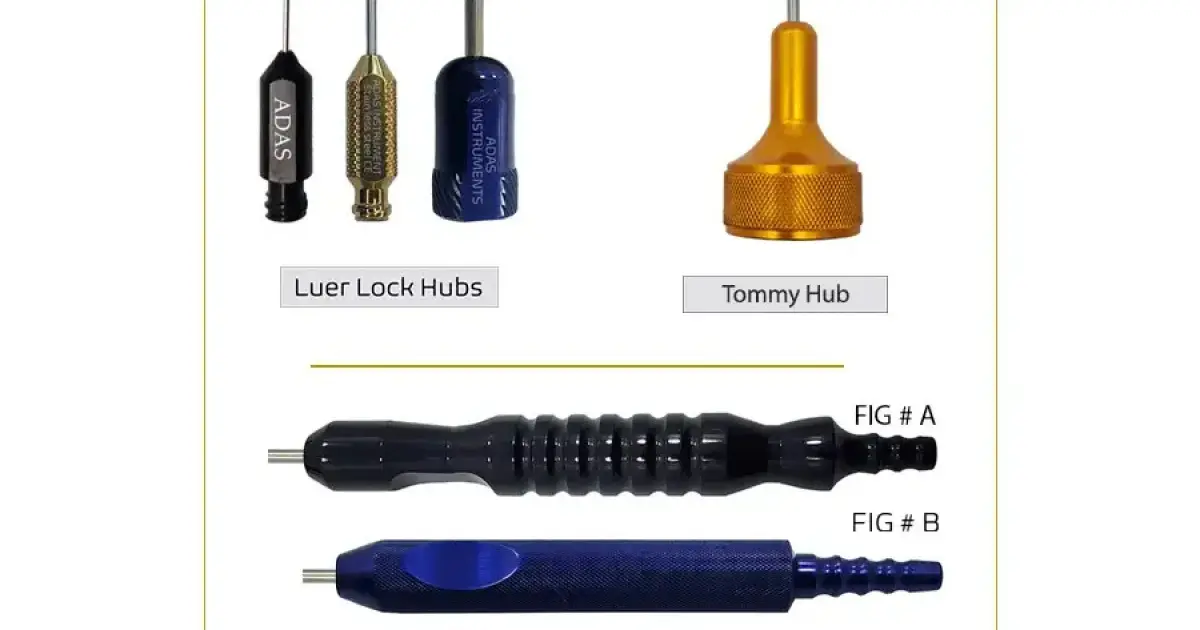
Fat grafting looks easy on paper. You remove fat, process it, and place it where volume is needed. In practice, results vary widely. Some grafts hold their shape for years. Others shrink within months. Many surgeons blame technique, processing, or patient factors. Few look at a tiny detail on the instrument itself. The holes along the tip decide how fat enters the tube. Their size and edge quality affect how much stress each cell feels. I have compared tools across many cases. Small changes in hole size changed how the fat looked in the syringe. This article explains how openings influence cell quality. It covers the physics, the research picture, and clear buying and handling tips. Read it before your next purchase.
Why Openings Matter to Living Fat
Fat is not just a filler. It is living tissue made of fragile cells called adipocytes. Each cell holds a large lipid droplet inside a thin membrane. That membrane tears easily under pressure or friction. During harvest, cells squeeze through the holes in the cannula tip. Tight openings force cells to compress and deform. Sharp edges scrape their surface. Strong suction pulls them in at speed, which adds shear stress. Damaged cells release oil and die before transfer. The graft then loses volume as the body clears debris. Healthy cells, in contrast, survive and attract new blood vessels. Each opening acts as a small gate. A well-shaped gate protects the cargo. A rough or tiny one harms it.
Every harvesting cannula balances three hole traits: diameter, shape, and edge finish. Diameter sets how much tissue can pass through at once. Shape controls how smoothly fat flows toward the channel. Edge finish decides whether cells slide in or scrape against steel. Most tips use holes between about 1 and 3 millimeters, though makers differ. Larger openings often reduce squeezing and clogging. Very large ones may pull in uneven clumps or grab fibrous tissue. Smaller ones give finer control but raise pressure on each cell. No single size wins every case. Research results also vary, so treat bold claims with care. Ask suppliers for exact hole dimensions in their specification sheets. Then test your own results across several similar cases.
What Happens Inside the TipSmall Holes: Control With a Cost
Small holes feel precise. They limit the amount of fat entering per stroke and reduce the risk of over-harvesting. Surgeons often like them for the face, hands, and thin zones. The trade-off lies in cell stress. Fat must squeeze through a narrow gap, and fibrous strands can lodge in the opening. Clogs force extra strokes and more suction. That combination can damage membranes. Small holes also demand patience. Collection runs slowly, and syringe fatigue sets in early. If you choose them, keep suction gentle and strokes slow. Clear any blockage by pausing, not by pulling harder. Check that the edges are polished, because tiny rough spots matter more at small sizes. Pair small holes with narrow shafts only for delicate areas.
Larger Holes: Easier Flow, Different Risks
Larger openings let fat enter with less squeezing. Several studies suggest this can help cell survival, although results differ between trials. Flow feels smoother, and clogging drops in fibrous areas. Collection also moves faster, which shortens the case. Yet bigger is not always better. Oversized holes can pull in irregular chunks, especially from dense tissue. Those chunks may need extra processing before injection. They can also catch deep fascia if you angle the tool badly. Surgeons using larger holes often reduce suction and keep strokes steady. Good infiltration helps, since well-hydrated fat flows freely. Match the opening to the zone. Larger holes suit the abdomen and thighs. Smaller holes suit facial work. Review your own syringe results, and adjust sizes based on real observations.
Edge Finish, Vacuum and Technique
Hole size is only half the story. Edge finish matters just as much. Rounded, deburred edges let fat slide in. Sharp or rough edges shave cells. Polish the inside of each hole during manufacturing, and inspect it after every cycle. Vacuum plays a major role too. Many surgeons prefer manual syringe aspiration or low, controlled negative pressure. Strong suction increases shear, no matter the hole size. Stroke speed also counts. Slow, even strokes allow fat to enter gently. Fast, jerky ones tear it. Finally, infiltration quality affects everything. Well-hydrated fat flows with less force. Combine these habits with the right opening size. Together they protect cells far better than any single feature. Treat the tool and the technique as one system.
Mistakes That Damage Fat Quality
A few mistakes appear again and again. The first is chasing speed with high vacuum. Faster flow may feel efficient, but it stresses cells. The second is using one size for every area. Facial zones and the abdomen need different openings. The third is ignoring wear. Burrs form after repeated sterilization and scrape fat. The fourth is cleaning poorly. Debris left in holes releases particles into the next case. The fifth is trusting marketing claims without data. Terms like premium or advanced tell you little. Ask for dimensions and test results. Finally, many surgeons forget to document settings. Without notes, you cannot learn which combinations worked. Keep a simple log of hole size, vacuum, and outcome. After twenty cases, patterns appear.
Choosing and Maintaining the Right Tool
Start with your main treatment zones. List where you collect fat and where you inject it. Then request specification sheets with exact hole sizes, counts, and shaft diameters. Order a small sample set rather than a bulk batch. Test each cannula on similar patients. Compare syringe appearance, oil content, and ease of use. Track follow-up results over several months. Choose surgical-grade stainless steel with polished edges. Confirm the connector fits your syringe or tubing. Single-use tools remove reprocessing risk. Reusable ones need brushes that reach every hole, plus logged sterilization cycles. Retire any piece with burrs, dents, or scratches. Keep two or three sizes available, so you can switch between zones without compromise. Good records turn guesses into reliable habits.
Frequently Asked QuestionsDo larger holes always protect fat better?
No. Results vary between studies. Oversized holes can also pull in irregular chunks.
Which hole size suits facial grafting?
Smaller openings often work well. Pair them with narrow shafts and gentle suction.
Does the number of holes matter?
Yes. More holes spread the flow and reduce clogging at each opening.
How can I judge fat quality after collection?
Check the syringe for oil, blood, and layers. Compare the same signs across cases.
How often should I inspect hole edges?
Before every case, under bright light. Look for burrs, scratches, and dents.
Final Thoughts
Hole size shapes how gently fat enters the tube. Smooth edges, steady strokes, and low suction protect cells further. Match openings to each zone, test samples, and track your results. Small details at the tip often decide how well a graft holds its volume.



0 Comments
No comments yet. Be the first to respond.
Log in to comment