How Employee Engagement & Relations Improves Retention
Keeping talented employees is an important challenge for many businesses. Hiring new people can require time, resources, training, and management attention, while frequent employee turnover can affect team stability and productivity. Although employees leave organisations for many different reasons, their experience at work can strongly influence whether they choose to stay.
This is where Employee Engagement & Relations can make a meaningful difference. When employees feel heard, respected, supported, and connected to their work, they may be more likely to develop a positive relationship with their organisation. Strong employee relations can also help businesses identify concerns early and create a workplace where people feel comfortable communicating with managers and colleagues.
What Is Employee Engagement & Relations?
Employee Engagement & Relations refers to the way an organisation builds employee involvement, communication, trust, and positive workplace relationships. Employee engagement focuses on how connected and motivated employees feel towards their work and organisation, while employee relations focuses on interactions between employees, managers, and the wider organisation.
A strong approach can involve:
Open workplace communication
Manager-employee relationships
Recognition and appreciation
Employee feedback
Career development
Fair workplace processes
Team collaboration
Supportive management
These areas can influence the overall employee experience and contribute to a stronger workplace culture.
Why Does Employee Retention Matter?
Employee retention refers to an organisation's ability to keep employees over time. Strong retention can help businesses maintain experience, knowledge, team relationships, and operational continuity.
High turnover can create challenges such as:
Recruitment costs
Training requirements
Loss of organisational knowledge
Pressure on remaining employees
Disruption to team performance
Longer periods with vacant positions
Improving the employee experience can therefore become an important part of a broader retention strategy.
How Employee Engagement & Relations Can Improve Retention
Employee Engagement & Relations can contribute to retention by addressing several factors that influence how employees experience their workplace. It cannot guarantee that employees will remain, because retention is also affected by compensation, career opportunities, workload, leadership, personal circumstances, and external job opportunities. However, a positive employee experience can provide a stronger reason for people to stay.
1. Builds Stronger Manager-Employee Relationships
Employees often interact with their managers regularly, making the quality of these relationships important. Managers who communicate clearly, listen to concerns, provide support, and give useful feedback can create a more positive working environment.
Strong relationships can help employees feel that their contribution is recognised and that they have someone they can approach when challenges arise.
2. Encourages Open Communication
Poor communication can leave employees feeling disconnected or uncertain about what is happening within an organisation. Employee Engagement & Relations can encourage regular communication between employees, managers, and leadership.
Businesses can create opportunities for:
One-to-one conversations
Team meetings
Employee surveys
Feedback sessions
Internal discussions
Open communication channels
When employees have appropriate ways to express their views, concerns may be identified before they become larger workplace problems.
3. Helps Employees Feel Heard
Employees want to know that their opinions and experiences matter. Listening does not mean that every request can be accepted, but organisations can show that employee feedback is taken seriously.
Regular feedback mechanisms can help businesses understand what employees enjoy, what frustrates them, and where improvements may be needed.
Feeling heard can contribute to a stronger sense of connection with the organisation.
4. Strengthens Recognition and Appreciation
Employees may become disengaged when their efforts consistently go unnoticed. Recognition does not always need to involve financial rewards.
Managers can recognise contributions through:
Positive feedback
Public appreciation
Development opportunities
Greater responsibility
Team recognition
Meaningful acknowledgement
Consistent recognition can help employees understand that their work has value.
5. Supports Career Development
Employees may consider leaving when they cannot see opportunities to learn or progress. A strong engagement strategy can include conversations about career goals and development needs.
Businesses can support employees through training, mentoring, projects, coaching, and opportunities to develop new skills.
Employee Engagement & Relations can help connect these development opportunities with employees' interests and organisational needs.
6. Creates Greater Workplace Trust
Trust develops when employees believe that managers communicate honestly, treat people appropriately, and follow through on important commitments.
Organisations can strengthen trust through transparent communication, consistent processes, and respectful management.
A workplace built around trust can encourage employees to feel more secure and connected to their organisation.
7. Helps Resolve Workplace Concerns
Unresolved workplace problems can gradually damage employee relationships. Employees may become frustrated when they feel that concerns are ignored or handled inconsistently.
Effective employee relations can provide appropriate channels for raising concerns and discussing workplace issues.
Early and constructive communication may help organisations address problems before they have a wider effect on morale.
8. Supports Fair Workplace Practices
Employees are more likely to develop confidence in an organisation when workplace processes appear fair and consistent.
Businesses should aim to apply appropriate procedures consistently while considering the circumstances of individual situations.
Fair treatment across recruitment, performance management, recognition, development, and employee relations can contribute to a healthier workplace environment.
 9. Encourages Team Connection
Employees who feel connected to their colleagues may experience a stronger sense of belonging. Team collaboration, shared objectives, group activities, and effective communication can help build these connections.
Employee Engagement & Relations can support a culture where employees understand how their work contributes to wider team objectives.
10. Improves the Employee Experience
Retention is influenced by the overall experience employees have throughout their time with an organisation. This includes onboarding, communication, management, workload, development, recognition, and opportunities for progression.
Rather than focusing on a single engagement initiative, businesses should consider the complete employee journey.
Improving several aspects of the employee experience can create stronger foundations for retention.
11. Encourages Employee Involvement
Employees can become more connected when they have opportunities to contribute ideas and participate in workplace improvements.
Businesses might involve employees in:
Process improvement discussions
Team projects
Internal initiatives
Problem-solving activities
Workplace surveys
Department planning
Meaningful involvement can help employees feel that they have a role in shaping their workplace.
12. Supports Better Workplace Culture
Workplace culture develops through everyday behaviours, communication, management practices, and organisational values. A positive culture can contribute to employee satisfaction and engagement.
Employee Engagement & Relations can help organisations understand whether their workplace culture supports collaboration, respect, inclusion, and communication.
Culture alone does not determine retention, but it can influence how employees experience their work.
13. Helps Identify Disengagement Early
One advantage of regularly monitoring engagement is the ability to identify potential concerns earlier. Changes in employee feedback, participation, communication, or workplace behaviour may indicate that something needs attention.
Managers can use regular conversations and appropriate feedback channels to understand what employees may need.
Early action can sometimes prevent smaller concerns from becoming more difficult problems.
14. Supports Better Onboarding
Retention begins before an employee has spent years with an organisation. The first weeks and months can shape how new employees understand their role, team, manager, and workplace.
A supportive onboarding process can provide:
Clear role expectations
Manager support
Team introductions
Access to resources
Regular check-ins
Early development conversations
A positive start can help new employees become more comfortable and connected.
15. Improves Manager Capability
Managers have a significant influence on everyday employee experiences. Organisations should therefore provide managers with appropriate training and support.
Useful areas may include communication, feedback, conflict management, recognition, performance conversations, and employee support.
Better manager capability can strengthen the practical impact of Employee Engagement & Relations initiatives.
16. Encourages Two-Way Feedback
Engagement should not be limited to management communicating information to employees. Employees should also have appropriate opportunities to provide feedback.
Two-way communication can help organisations understand employee experiences while giving managers insight into areas that may need improvement.
The key is to act responsibly on useful feedback rather than collecting opinions without follow-up.
17. Supports Flexible Working Conversations
Different employees may have different working needs. Where flexible working is available, clear communication and appropriate processes can help employees discuss their circumstances with managers.
A thoughtful approach can contribute to a better employee experience while still considering operational requirements.
18. Connects Employees With Organisational Goals
Employees may feel more engaged when they understand how their work contributes to wider objectives. Managers can explain team priorities and show how individual responsibilities connect with organisational goals.
This can provide employees with a stronger sense of purpose and help them understand the value of their contribution.
Common Employee Engagement & Relations Mistakes
Businesses can weaken retention efforts by:
Ignoring employee feedback
Communicating only when problems occur
Providing little recognition
Offering unclear career development
Failing to train managers
Handling workplace concerns inconsistently
Measuring engagement without taking action
Focusing on short-term initiatives instead of everyday employee experience
Avoiding these mistakes requires consistent attention to employee needs.
How to Use Employee Engagement & Relations for Better Retention
Businesses should begin by understanding why employees stay, what challenges they experience, and where engagement could improve. Employee feedback, manager conversations, surveys, and other appropriate information can help identify priorities.
Organisations can also:
Strengthen manager communication
Recognise employee contributions
Provide meaningful development opportunities
Create appropriate feedback channels
Address workplace concerns promptly
Encourage collaboration
Review employee experience regularly
The aim should be to create a workplace where employees can communicate, develop, contribute, and feel respected.
Why Retention Requires a Wider Approach
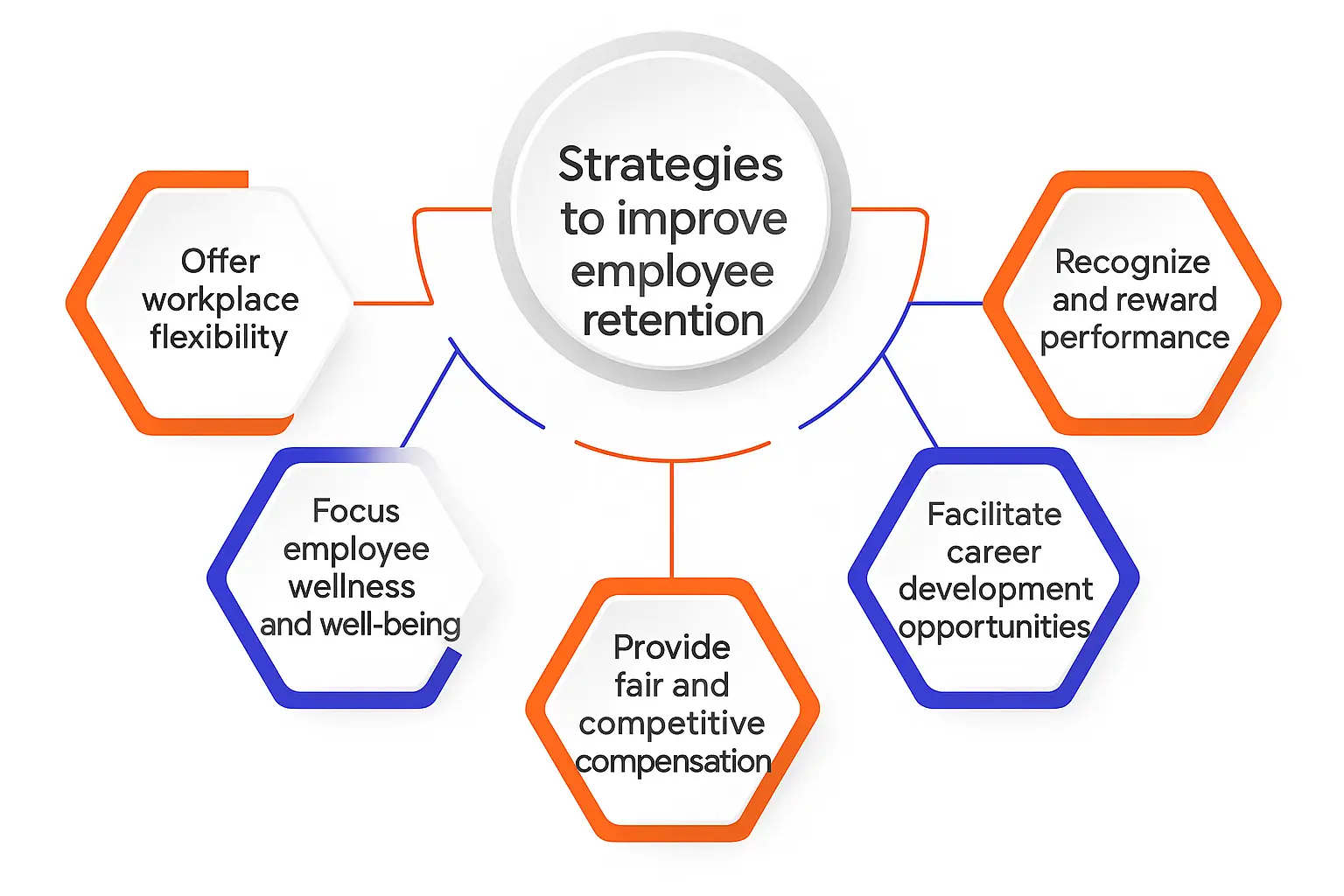
Employee Engagement & Relations can contribute to retention, but it should not be viewed as the only solution. Employees may also consider workload, compensation, leadership, career progression, job security, workplace flexibility, and personal circumstances when deciding whether to remain.
For this reason, engagement strategies should work alongside fair employment practices, effective management, career development, and a supportive workplace culture.
Final Thoughts
Employee Engagement & Relations can support employee retention by strengthening communication, trust, recognition, workplace relationships, and employee involvement. When people have a positive experience at work, they may have stronger reasons to remain with the organisation.
Businesses should focus on everyday employee experiences rather than relying on occasional engagement activities. Listening to employees, supporting managers, recognising contributions, and addressing concerns can create a healthier workplace environment.
Retention also depends on factors beyond engagement, including career opportunities, workload, compensation, leadership, and organisational culture. A broader approach is therefore important for sustainable employee retention.
Ultimately, Employee Engagement & Relations can become an important part of a long-term retention strategy. When organisations consistently invest in communication, relationships, development, and employee experience, they can create stronger foundations for a stable and engaged workforce.