
Real Estate
How Do Woodworking Clamps Differ from Metalworking Clamps?
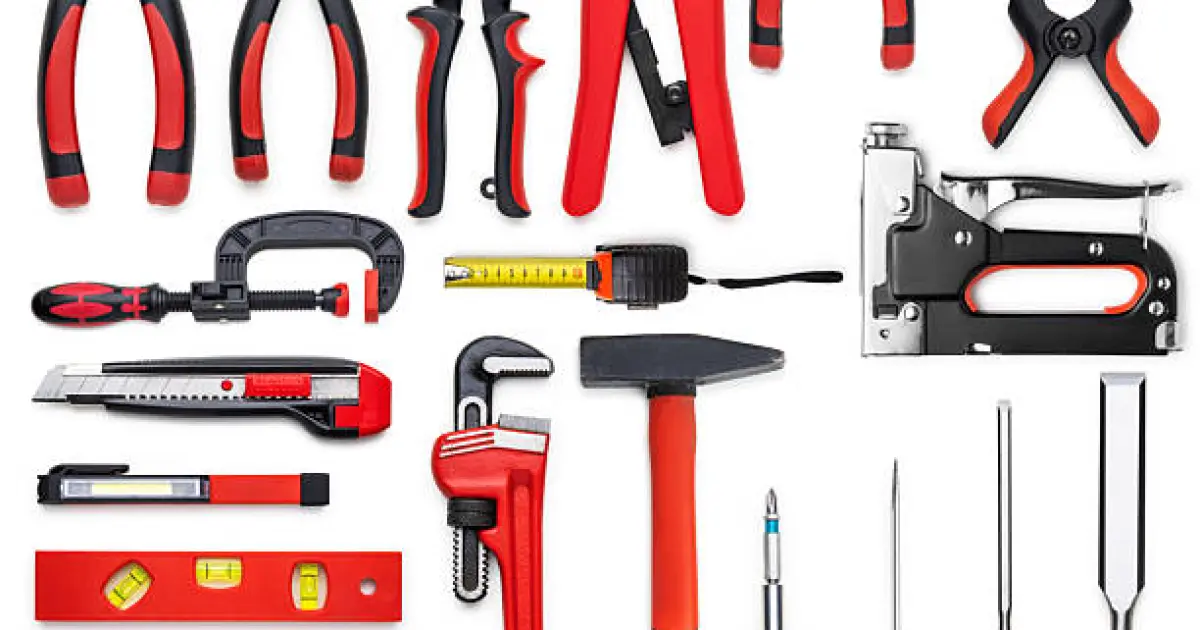
A clamp is a clamp, right? Not quite. Hold a lightweight spring clamp next to a heavy welding clamp, and you'll see two very different tools. For buyers who serve both woodworkers and metalworkers, knowing the differences helps you stock the right items and give honest advice.
Why Can't One Clamp Do Everything?
Different materials behave differently under pressure. Wood is soft, dents easily, and often needs gentle, even pressure while glue dries. Metal is hard, can be hot or oily, and often needs strong, stable holding during cutting, welding, or drilling.
A clamp built for one job may struggle with the other. Too little strength fails on metal. Too much hard-edged force marks wood. That's why experienced workshops usually keep both kinds on the wall, and why a thoughtful retailer does the same.
What Do Woodworking Clamps Prioritize?
Woodworking clamps focus on even pressure and surface protection. Wide, forgiving pads spread the load. Long bars reach across panels. Handles are shaped for comfortable, controlled tightening, since users often tighten many clamps in a row.
Ease of adjustment also matters. Woodworkers frequently reposition clamps during glue-ups, so smooth sliding jaws and quick release are valued features. Glue has a limited working time, so being able to move fast without fumbling really counts.
What Do Metalworking Clamps Prioritize?
Metalworking clamps focus on strength, stability, and heat or debris resistance. Deep, sturdy frames, such as the classic C-shape, are common. Jaws may have firm faces that bite into the work, and some clamps are built for welding, where sparks and heat are part of daily life.
Users here often care less about pad softness and more about rigidity. A clamp that flexes under load can ruin a precise weld or drilled hole. Heat and sparks can also damage soft parts, so materials and finishes deserve a closer look than they would for a clean woodworking clamp.
How Do Pads and Jaw Faces Differ?
Wood users usually want soft, protective pads. Metal users may prefer hard faces that grip firmly, or swivel pads that adapt to angled surfaces.
Some clamps offer interchangeable or replaceable pads, which helps customers adapt a single tool to different jobs. When you evaluate samples, ask what pad options are available and how easily they can be changed. A pad that pops off every time you reposition the clamp quickly becomes a source of irritation.
Where Do Both Groups Overlap?
Plenty of tools work for both. C-clamps appear in woodshops and metal shops. Quick-release clamps can hold wood for drilling or small metal parts for light work. Many hobbyists work with both materials, and they appreciate versatile products. Garages and home workshops are full of these people, and they often prefer one good clamp over three specialized ones.
This overlap is a chance for retailers. A clear "general purpose" section helps customers who work across materials, while dedicated sections serve specialists.
How Should You Describe Products Honestly?
Be clear about what each clamp is designed for. A clamp rated or designed for light woodworking shouldn't be sold as a heavy fabrication tool. Overpromising leads to disappointment and, in some cases, safety concerns.
Use simple wording on packaging and shelf labels. "Best for gluing and light holding" or "heavy-duty frame for general workshop use" gives customers a fair picture without technical jargon. If you're unsure what a product can handle, ask the supplier for test notes instead of guessing.
What Should You Ask Your Supplier?
Ask about materials, frame design, finish, and intended use. Ask which models suit wood, which suit metal, and which suit both. A woodworking clamp manufacturer that understands how customers use its products will answer plainly and may suggest small changes to improve fit for your market.
Request samples and test them on real materials. A clamp that behaves well on a wooden board may behave differently on a steel plate. Test early.
How Can You Build a Range That Serves Both?
Start with a core of versatile clamps, then add specialists for each group. Offer a few sizes in each style, and keep your labeling clear. Review the mix after a season, and let your sales numbers decide what stays.
Duratec Tools develops and manufactures hand tools, including clamps and workholding products, and provides OEM and ODM services for tool brands. That gives brands a way to shape a range that fits their own customer mix.
What Is the Takeaway on Wood and Metal Clamps?
Woodworking clamps lean toward even pressure and protection. Metalworking clamps lean toward strength and rigidity. Many tools sit in the middle. Know your customers, describe products honestly, test samples on real materials, and choose partners who can adapt designs. Do that, and your shelf serves everyone who walks in. Honest labels will protect your reputation. Clarity costs very little, really.



0 Comments
No comments yet. Be the first to respond.
Log in to comment