How BIMM University Supports Student Careers
Choosing a university is about more than earning a degree. For students interested in music and the wider creative industries, the real question is often what happens after graduation. Will you have practical experience? Will you understand how the industry works? Will you have a portfolio, professional connections, and the confidence to pursue opportunities? BIMM University places career development at the heart of its creative education, helping students build skills and experience that can support their ambitions beyond university.
From practical projects and industry-focused teaching to collaboration and professional development, BIMM University provides students with opportunities to think about their future careers from the beginning of their studies. While no university can guarantee employment, a career-focused education can give students a stronger foundation for entering competitive creative industries.
A University Focused on Creative Careers
The creative industries are different from many traditional career sectors. A qualification can be valuable, but employers, clients, collaborators, and audiences may also want to see practical ability and evidence of creative work.
BIMM University is designed around creative disciplines, giving students the opportunity to develop skills relevant to areas such as music performance, song writing, music production, music business, film, acting, and other creative fields.
This specialist environment can help students understand how their education connects with real creative careers. Instead of waiting until their final year to think about employment, students can begin exploring professional possibilities throughout their university journey.
1. Industry-Focused Learning
One of the main ways BIMM University supports student careers is through an industry-focused approach to education. Creative professionals need to understand how their chosen sector operates, not simply how to complete academic assignments.
Depending on the programme, students can develop practical knowledge through projects, creative work, performances, productions, collaboration, and other forms of applied learning.
This experience can help students become more comfortable with the realities of professional creative work. They can learn how to manage projects, respond to feedback, meet deadlines, and develop ideas into finished work.

2. Practical Experience Builds Career Readiness
Employers and clients often value candidates who can demonstrate what they are capable of doing. Practical experience gives students something tangible to discuss when applying for opportunities.
At BIMM University, students can work on creative projects connected to their areas of study. These experiences can help them develop technical and professional skills while producing work that may contribute to a portfolio.
For example, a music production student can build a collection of recordings, while a performer can develop experience through performances and other creative projects.
The specific opportunities depend on the course, but the principle remains the same: practical experience can help bridge the gap between education and professional life.
3. Opportunities to Build a Professional Network
Relationships can play an important role in creative careers. Many opportunities develop through collaboration, recommendations, professional communities, and people who have encountered your work.
Studying at BIMM University allows students to meet other aspiring creatives who may eventually become collaborators or professional contacts.
A songwriter may meet a producer. A performer may connect with other musicians. A filmmaker may find actors, editors, or writers to work with.
These relationships do not guarantee future employment, but they can help students build a network that may become increasingly valuable as their careers develop.
4. Encourages Creative Collaboration
Professional creative work is often collaborative. Even projects led by one person may involve multiple specialists.
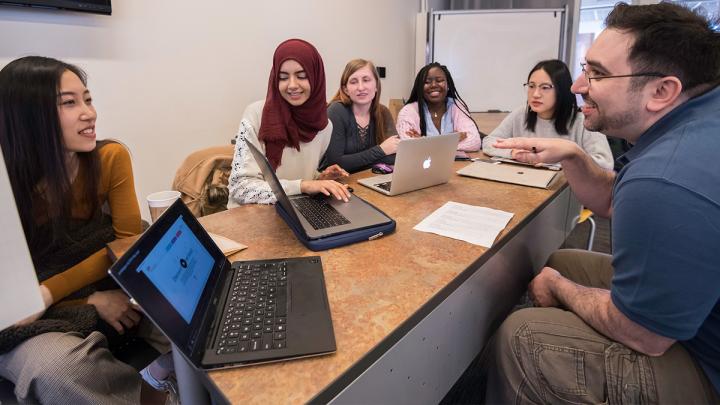
BIMM University provides opportunities for students to work alongside peers with different skills and interests. Collaboration can help students understand how creative teams operate and how to contribute effectively to shared projects.
Students can learn how to communicate ideas, accept constructive criticism, solve problems, divide responsibilities, and meet project deadlines.
These are practical workplace skills that can be useful across many creative careers.
5. Helps Students Develop Their Creative Identity
Career development is not only about finding a job. For many creative students, it is also about discovering what they want to be known for.
BIMM University can provide an environment where students experiment with different styles, techniques, projects, and creative ideas.
Over time, students can identify their strengths and begin developing a clearer creative identity. A musician may discover a particular sound or performance style. A producer may develop a distinctive approach. A filmmaker may find a particular storytelling interest.
Having a clearer creative direction can make it easier to build a portfolio and communicate professional goals.
6. Supports Portfolio Development
A traditional CV may not fully demonstrate what a creative professional can do. A portfolio can provide evidence of practical ability and creative development.
During their studies, students at BIMM University can create projects that may contribute to their professional portfolios. Depending on their discipline, this could include recordings, performances, films, written work, productions, creative campaigns, or other relevant projects.
Students should take responsibility for selecting and documenting their strongest work. A well-organised portfolio can become a useful asset when approaching employers, clients, collaborators, or further opportunities.
7. Develops Transferable Professional Skills
Creative careers require more than artistic talent. Professionals also need communication, organisation, teamwork, time management, adaptability, and problem-solving skills.
Through practical projects and collaborative activities, BIMM University students can develop these transferable abilities alongside their creative skills.
For example, completing a group project requires students to communicate clearly and manage responsibilities. Meeting a performance deadline requires preparation and organisation. Responding to feedback requires flexibility and a willingness to improve.
These skills can remain valuable even when a graduate's career direction changes.
8. Exposure to Industry Perspectives
Learning from people with professional experience can give students a more realistic understanding of their chosen field. Industry perspectives can help students understand current expectations, career pathways, professional challenges, and opportunities.
BIMM University has a strong connection with creative industries, which can provide students with opportunities to encounter professional perspectives through education and industry-related activities.
Students can use these experiences to ask questions, understand different career routes, and think more realistically about the steps required to reach their goals.
9. Encourages Entrepreneurship
Not every creative graduate will follow a traditional employment route. Some may become freelancers, independent artists, producers, entrepreneurs, or founders of creative businesses.
Understanding how to manage a creative career independently can therefore be extremely valuable.
BIMM University can help students develop awareness of the business side of creative work. Depending on their course, students may explore areas such as professional practice, entrepreneurship, project management, promotion, or the commercial aspects of creative industries.
This can help students think beyond the idea of simply finding a job and consider how they can create sustainable professional opportunities.
10. Builds Confidence Through Real Experience
Confidence often develops through practice. Students may feel uncertain when they first perform, present an idea, collaborate with others, or show their work to an audience.
Repeated opportunities to create and receive feedback can help students become more comfortable with professional situations.
At BIMM University, practical learning and creative collaboration can give students opportunities to develop this confidence gradually.
By graduation, students may feel more prepared to present their work, communicate their abilities, and approach professional opportunities.
11. Encourages Students to Think Beyond Graduation
Career preparation should not begin after the final exam. Students who start thinking about their professional direction earlier can use their university years more strategically.
Students at BIMM University can consider what type of work they want to pursue, what skills they need to develop, which projects could strengthen their portfolio, and what professional relationships they should build.
This approach can make university feel less like a period of preparation that ends at graduation and more like the beginning of a professional journey.
How Students Can Make the Most of Career Opportunities
The opportunities provided by BIMM University are most valuable when students actively use them. Students should not wait for career opportunities to appear automatically.
Take part in projects, collaborate with classmates, attend relevant events, build a portfolio, ask for feedback, and continue creating work outside formal assignments.
It is also important to maintain a professional online presence where appropriate. Keep strong examples of your work organised and make it easy for potential collaborators or employers to understand your skills.
Most importantly, remain open to different career paths. Creative careers can develop in unexpected ways, and a flexible mindset can help students recognise opportunities they may not have considered initially.
Final Thoughts
BIMM University supports student careers by connecting creative education with practical experience, collaboration, professional awareness, and career development. Students can develop technical abilities while learning how to work with others, build portfolios, understand creative industries, and develop their professional identities.
The university experience alone cannot guarantee a successful career, and students still need to take initiative. However, having access to a creative-focused learning environment can provide a valuable foundation for that journey.
For aspiring musicians and creative professionals, the biggest advantage may be the opportunity to start developing a career mindset while still studying. By combining education with practical projects, networking, collaboration, and personal creative development, BIMM University can help students move from creative ambition toward professional preparation—and take meaningful steps toward the careers they want to build.