
Travel & Tourism
Cooking Large Batches Outdoors Made Simple With the Best Outdoor Propane Burner
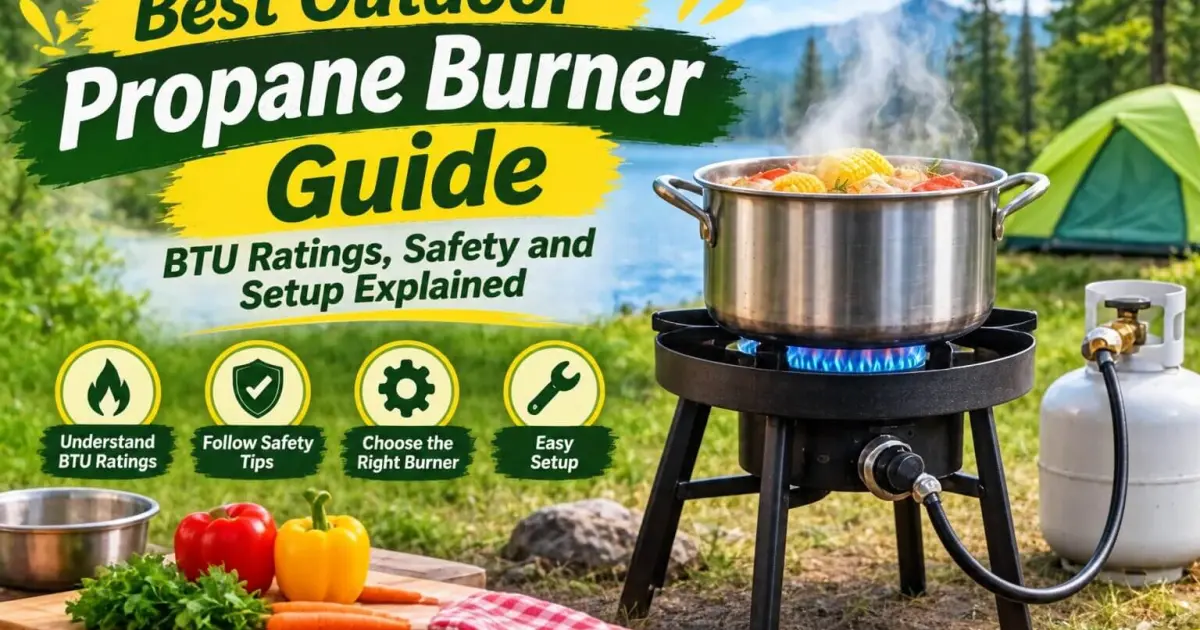
The best outdoor propane burner for large batch cooking has a stable stand, an adjustable regulator and enough heat to bring a big pot to a boil without a long wait. Check that the stand's weight rating covers your full pot, and match the burner's output to the size of your cookware.
With the right setup, chili for twenty, a seafood boil or a turkey fry becomes a calm afternoon instead of a juggling act. This guide explains how these burners work, what to look for before you buy, and how to use one safely.
What Is an Outdoor Propane Burner?
An outdoor propane burner is a standalone gas burner on a metal stand, made to heat large pots over an open flame. It connects to a propane tank through a hose and regulator, and it is built for outdoor use only. You may also hear it called a turkey fryer burner, a jet burner or a banjo burner.
Unlike a typical two burner camp stove, it is made to carry heavy stockpots. It gives up fine flame control in exchange for raw power and a wide, steady platform.
Why a Propane Burner Beats a Camp Stove for Big Pots
Small stoves struggle with volume. A narrow stand can wobble under a heavy pot, and a low output flame takes a long time to bring several gallons of water to a boil.
A propane burner delivers much more heat, so the pot recovers quickly when you add cold ingredients. It also keeps greasy, smoky or smelly cooking out of your kitchen. Common jobs include:
Chili or stew for a family reunion
A seafood or low country boil
Frying a turkey or batches of fish
Jambalaya or paella for a crowd
How to Choose the Best Outdoor Propane BurnerHeat Output (BTU)
BTU measures heat produced per hour. Many outdoor burners fall somewhere between 50,000 and well over 200,000 BTU. More is not always better, because a huge flame under a small pot wastes fuel and can scorch the bottom of your food.
As a rough guide, a moderate burner suits a pot of around 10 to 15 quarts, while a big boil pot gets going faster on a higher output unit. Check the manufacturer's recommended pot size.
Stand Stability and Weight Rating
Water weighs about 8.3 pounds per gallon, so a pot holding ten gallons carries over 80 pounds of water before you add the pot itself. Look for wide legs, a flat top ring and a frame that does not rock when you stir. Always check the weight rating the maker states.
Regulator, Hose and Fuel Connection
Many burners use a high pressure adjustable regulator on a braided hose, which gives a strong, controllable flame. Lower pressure burners are quieter and often better for slow simmering. Whichever you buy, make sure the regulator and hose match the burner, and replace a hose that looks cracked or worn.
Wind Protection
Wind steals heat and can blow out the flame, so a wind guard helps a lot. Never fully enclose the burner or the tank, and follow the manufacturer's clearance instructions.
Burner Types Compared
Type
Best for
Trade off
High pressure single burner
Boils, frying and large pots
Loud and uses fuel quickly
Low pressure cast burner
Stews, sauces and simmering
Slower to heat large volumes
Dual or multi burner stand
Cooking two pots at once
Heavier and needs more space
These are general trends, and individual models vary, so compare specifications before buying.
Matching Your Pot and Propane Supply
Choose a pot with a flat, sturdy base that sits securely on the burner ring, and avoid pots that overhang the stand by a large margin. Steel and aluminum stockpots are common choices, while glass and thin nonstick cookware do not belong on a high output burner.
Fuel use depends on output. A full 20 pound propane tank holds roughly 400,000 BTU worth of fuel, so a burner running flat out at 100,000 BTU per hour would empty it in about four hours. Cold and wind make that shorter, so bring a spare tank for long events.
Setting Up SafelyPick the Right Spot
Set the burner on level, firm ground well away from tents, trees, decks, vehicles and anything that burns. Use it outdoors only, never in a garage, a tent or under a covered porch, because gas burners produce carbon monoxide and a fire risk.
Check for Leaks Before You Light
Connect the hose and regulator, then brush soapy water over the connections and open the tank valve slowly. Growing bubbles point to a leak. Close the valve and fix the connection before you try to light the burner.
Stay With the Pot
Never leave a lit burner unattended, and keep children and pets back. If you are frying, make sure food is dry and fully thawed, never overfill the pot with oil, and turn the flame off before lowering food in. Keep an extinguisher rated for grease fires nearby.
Large Batch Cooking Ideas That WorkSeafood or Low Country Boil
Bring a big pot of seasoned water to a rolling boil, then add ingredients in order of cooking time. Potatoes go in first, followed by corn and sausage, with shrimp last because they need only a few minutes. A strong burner keeps the boil going each time you add something.
Chili or Stew for a Crowd
Brown the meat in batches so it sears instead of steaming, then add beans, tomatoes and spices. Drop the flame low and stir often, because thick food sticks to the bottom of a big pot.
Frequently Asked Questions
Q1. What is the best outdoor propane burner for large pots?
Ans: A burner with a wide, stable stand, a weight rating above the full weight of your pot and an adjustable regulator is the best fit. Match the output to your pot size and check the maker's specifications.
Q2. How many BTUs do I need?
Ans: For small to mid size pots, a moderate output is usually enough. For big boil pots or frying, a higher output burner heats faster. Bigger is not always better, since too much flame wastes fuel.
Q3. Can I use a propane burner in a garage or on a deck?
Ans: No to the garage, and not under any covered area. Burners must be used outdoors in open air, away from walls and anything flammable. For decks and local fire rules, check the manufacturer's instructions and your local regulations.
Q4. How long does a 20 pound propane tank last?
Ans: It depends on burner output and weather. At about 100,000 BTU per hour, a full tank lasts roughly four hours of continuous high heat, and longer at lower settings.
Q5. Is a high pressure or low pressure burner better?
Ans: High pressure burners heat quickly and suit boils and frying. Low pressure burners are quieter and often easier for simmering stews and sauces. Choose by how you cook most often.
Choosing Your Burner and Getting Started
For large batch cooking, you want a burner with a stable stand, enough output for your pot and a regulator you can adjust. Weigh your pot when full, decide how many people you usually feed, then pick a burner whose weight rating and heat suit both.
Your next step is to note your pot size and typical group, then compare the best outdoor propane burner options that match them. Always read the manufacturer's safety instructions before your first cook.
0 Comments
No comments yet. Be the first to respond.
Log in to comment