
SEO
Autonomous Logistics: Transforming the Future of Goods Transportation
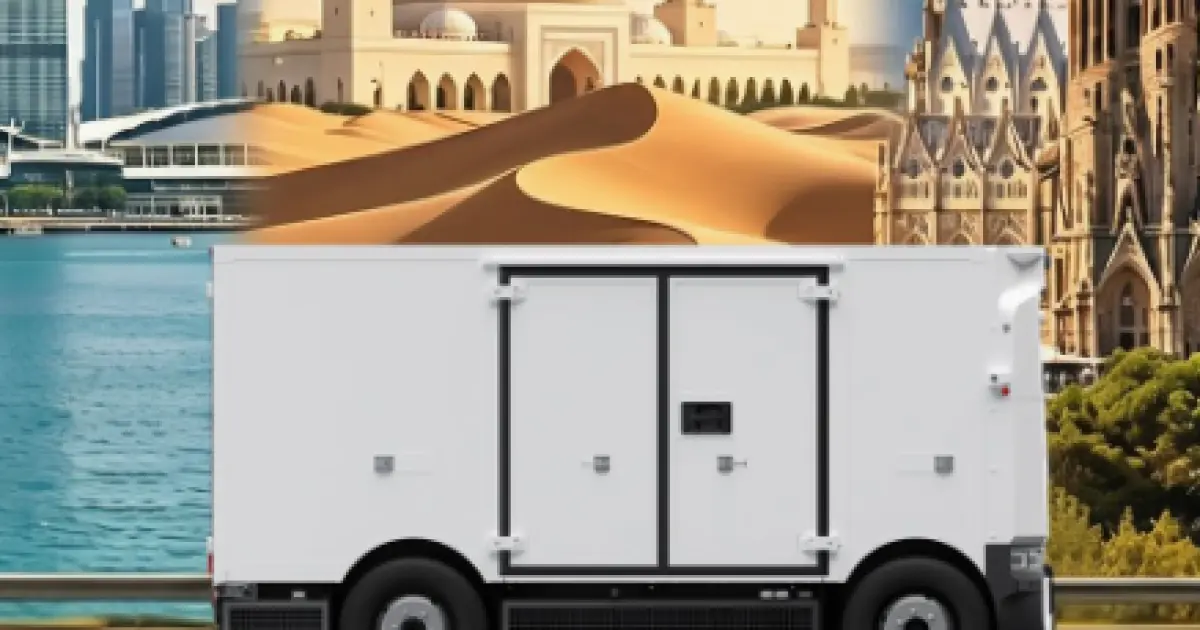
Autonomous logistics combines intelligent vehicles, artificial intelligence, and connected systems to improve goods transportation. These technologies help businesses automate deliveries, optimize workflows, and build more flexible supply chains.
1. What Is Autonomous Logistics?
Autonomous logistics uses self-driving vehicles and intelligent technologies to transport goods with reduced reliance on manual driving. It can support parcel delivery, warehouse transfers, industrial transportation, and retail distribution. Zelostech develops autonomous logistics solutions through its RoboVan platform, combining vehicle engineering and in-house autonomous driving technology to meet different commercial transportation needs.
2. How Autonomous Driving Technology Works
Modern autonomous logistics depends on accurate environmental perception and intelligent decision-making. Zelostech integrates LiDAR, radar, cameras, and ultrasonic sensors to provide 360-degree environmental awareness. Its unified technology architecture connects perception, decision-making, and vehicle control, helping autonomous vehicles detect obstacles and respond to changing conditions in real time.
3. Applications Across Different Industries
Autonomous logistics can serve many industries beyond traditional express delivery. Applications include FMCG distribution, pharmaceutical transportation, industrial park operations, agricultural delivery, retail replenishment, hospitality services, and warehouse transfers. These scenarios often involve repeated transportation tasks, making them suitable for automation when routes and operating conditions are properly defined.
4. Zelostech RoboVan Product Portfolio
Zelostech offers several RoboVan configurations designed for different autonomous logistics requirements. The Z5 supports urban delivery and commercial transportation, while the Z5 Cold-Chain is designed for temperature-controlled goods. The Z5 Multi-Locker provides multiple compartments for parcel distribution. The Z10 and Z10 Cold-Chain offer additional cargo capacity for larger transportation and refrigerated delivery operations.
5. Improving Delivery and Operational Efficiency
By automating repetitive transportation tasks, autonomous logistics can help businesses improve fleet utilization and organize delivery schedules. Connected fleet management systems provide operational information that supports route planning, vehicle monitoring, and transportation coordination. These capabilities can help logistics operators manage growing delivery demand while making better use of available resources.
6. Safety and Reliable Operations
Safety is essential for successful autonomous logistics deployment. Zelostech combines multi-sensor perception with intelligent driving systems to help vehicles understand their surroundings and make driving decisions. Its L4 autonomous driving computing unit features power consumption below 100 watts. Actual deployment still requires suitable operating conditions, route assessment, and compliance with local regulations.
7. The Future of Autonomous Logistics
As autonomous driving technology develops, autonomous logistics will create new opportunities for commercial transportation. Zelostech continues to expand its RoboVan platform and explore applications across different industries and operating environments. By integrating intelligent vehicles with practical logistics workflows, the company aims to make goods transportation safer, more flexible, and more efficient.
0 Comments
No comments yet. Be the first to respond.
Log in to comment